

1. Hydrating Sulfate-Free Shampoo
Okay, let's talk about your shampoo. If your hair feels like straw, the first place to look is what you're washing it with. Many regular shampoos have sulfates, and while they make a lot of suds, they can strip your hair of its natural oils. Think of it like washing your face with dish soap – it gets clean, but it's way too harsh.
Sulfates are basically strong detergents. They're great at cutting through grease, but they don't really know when to stop. For dry hair, this means they can leave your strands feeling brittle and looking dull because all that moisture is gone.
So, what's the fix? Switching to a hydrating, sulfate-free shampoo. These shampoos are formulated to clean your hair gently without taking away all the good stuff. They often contain ingredients that add moisture back in, like glycerin or certain plant oils.
Here's why making the switch makes a difference:
- Gentle Cleansing: They clean your scalp and hair without that stripped feeling. You'll notice your hair feels softer right after washing.
- Moisture Retention: By not stripping away natural oils, your hair can hold onto moisture better, which is key for combating dryness.
- Less Irritation: Sulfates can sometimes irritate a sensitive scalp. Sulfate-free options are usually much kinder.
When you're shopping, look for words like 'moisturizing,' 'hydrating,' or 'gentle' on the bottle. You might need to try a couple of different brands to find one you really love, but it's a really solid first step to getting your hair back to feeling healthy.
2. Deep Conditioning Hair Mask
Okay, so you've washed your hair with that gentle shampoo. Now it's time for the real hydration boost: a deep conditioning hair mask. Think of this as a super-powered conditioner that you leave on for a bit longer. It's packed with richer ingredients that can really soak into your hair shaft, fixing things from the inside out.
Why is this so important? Well, dry hair often means the outer layer, the cuticle, is lifted or damaged. This lets moisture escape way too easily. A good mask has ingredients like shea butter, argan oil, or hydrolyzed proteins that work to smooth down that cuticle. They also add back lipids, which are like the natural oils your hair needs to stay soft and flexible. You're basically giving your hair a serious drink and a repair treatment all at once.
Here’s how to get the most out of your mask:
- Apply to damp, towel-dried hair. Wring out excess water first. This helps the mask penetrate better without being diluted.
- Focus on the mid-lengths and ends. These parts of your hair are usually the oldest and driest, so they need the most attention. Avoid the scalp unless the product specifically says to use it there, as it can weigh down your roots.
- Leave it on for the recommended time. Usually, this is between 5 to 20 minutes. Some masks are designed for longer, even overnight, but always check the instructions. You can even pop on a shower cap to trap heat, which helps the ingredients work their magic.
- Rinse thoroughly with cool water. This helps to seal the cuticle down again, locking in all that goodness you just applied.
3. All-In-One Leave-In Conditioner
Okay, so you've washed your hair with that nice, gentle shampoo and followed up with a good deep conditioner. Now what? This is where your leave-in conditioner comes in, and honestly, it's a game-changer for dry hair. Think of it as a protective shield and a moisture boost that stays with your hair all day long.
Why is it so important? Well, after washing, your hair's cuticle can be a bit open, making it more prone to losing moisture and getting frizzy. A leave-in conditioner helps to smooth down that cuticle, locking in all the good stuff from your wash routine. Plus, it adds an extra layer of hydration that your hair can draw on throughout the day, especially if you live in a dry climate or your hair is just naturally thirsty.
When you're picking one out, look for ingredients that are known for their moisturizing properties. Things like shea butter, various plant oils (argan, coconut, jojoba are popular for a reason), and humectants like glycerin can really make a difference. You want something that feels substantial but doesn't weigh your hair down. It's a bit of trial and error to find the perfect one for your hair type, but it's worth it.
How to use it:
- Start with a small amount. You can always add more if you need it. Too much can make your hair feel greasy.
- Apply it evenly from the mid-lengths to the ends of your hair. These areas are usually the driest.
- Gently comb or brush through your hair to distribute the product. This also helps detangle any knots.
- You can apply it to damp hair right after washing, or even on dry hair for a quick refresh between washes.
4. Scalp Serum for Hair Growth
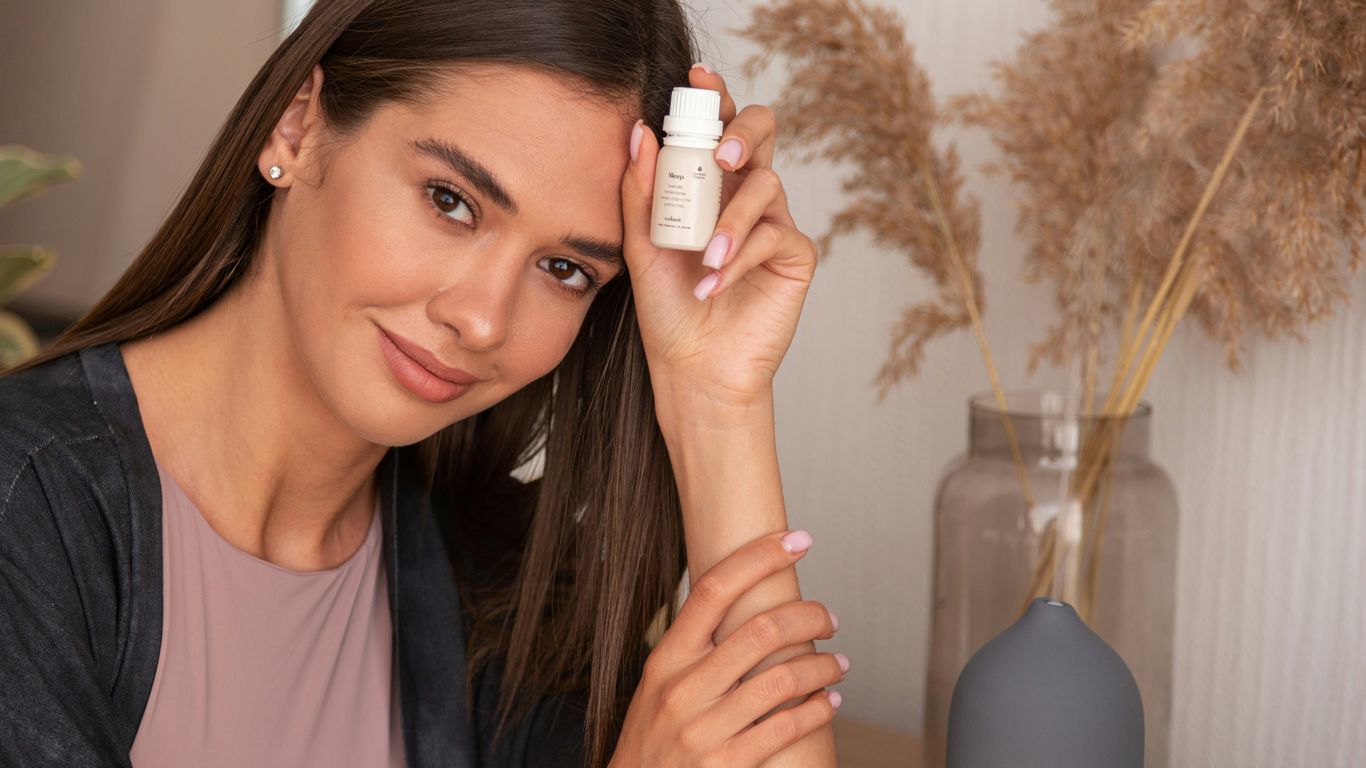
Okay, so we've talked about cleaning and conditioning, but what about actually growing healthier hair from the root? That's where a good scalp serum comes in. Think of your scalp like the soil for your hair plants. If the soil isn't healthy, the plants aren't going to thrive, right? A scalp serum is designed to give your scalp the nutrients it needs to support strong, healthy hair growth.
Why bother with a serum? Well, a lot of things can mess with your scalp's environment. Things like product buildup, stress, or even just the natural aging process can slow down hair growth or make the hair that does grow a bit weaker. A serum can help counteract that.
When you're picking one out, look for ingredients that are known to help. Some common ones you'll see are:
- Biotin: This is a B vitamin that's often linked to hair health. It helps your body make keratin, which is what hair is made of.
- Peptides: These are like little building blocks for proteins, and they can signal your hair follicles to get to work.
- Hyaluronic Acid: This is great for keeping your scalp hydrated, which is super important for healthy follicles.
- Plant Extracts: Things like rosemary or peppermint oil have been studied for their potential to boost circulation to the scalp, which can encourage growth.
How do you use it? Usually, you just apply a few drops directly to your scalp, focusing on areas where you want to see more growth or where your hair feels thin. You can do this on a dry or damp scalp, and most of them don't require rinsing. Just massage it in gently and let it do its thing. It's a small step, but it can make a big difference over time.
Want thicker, fuller hair? A scalp serum can be a game-changer. These special liquids are designed to give your hair follicles the boost they need to grow stronger and faster. Imagine waking up to healthier hair every day! Ready to see the difference for yourself? Visit our website to explore our top-rated scalp serums and start your journey to amazing hair growth today.
Putting It All Together for Healthier Hair
So, you've learned why your hair might be feeling so dry and what you can do about it. It's not just about slapping on some conditioner; it's about understanding what your hair needs and giving it the right stuff. Using products like those from Cherie Strands, which are made without harsh sulfates or silicones and include ingredients like jojoba oil and hyaluronic acid, can make a real difference. Remember that routine we talked about? Sticking to it, even when life gets busy, is key. Your hair will thank you for the consistent care. It might take a little time, but seeing and feeling that change in your hair's texture and shine is totally worth it.
Disclaimer: This article provides general information and is not a substitute for professional medical advice. Consult with a dermatologist or trichologist for personalized diagnosis and treatment.