

So, your natural hair feels like it's constantly thirsty? You're not alone. Dry natural hair can be a real struggle, leaving it looking dull and feeling rough. But don't worry, getting that moisture back is totally doable. We're going to walk through how to moisturize dry natural hair, from understanding why it gets dry in the first place to picking the right products and building a routine that actually works. It’s not as complicated as it sounds, and soon your hair will be thanking you.
Key Takeaways
- Understand why your natural hair gets dry to better address the issue.
- Look for ingredients like hyaluronic acid, nourishing oils, and butters that bring moisture back.
- Develop a consistent routine that includes gentle cleansing, deep conditioning, and sealing in moisture.
- Incorporate leave-in treatments and water-based products for extra hydration.
- Protect your hair from drying elements and establish daily habits for long-term moisture.
Understanding Your Dry Natural Hair
The Science Behind Dryness
Dry natural hair happens when your strands don't get or retain enough moisture. Think of your hair's cuticle, the outer layer, like shingles on a roof. When it's smooth and sealed, moisture stays in. But if the cuticle is raised or damaged, water escapes easily, leaving your hair feeling rough, brittle, and looking dull. This can be due to genetics, environmental factors, or how you treat your hair. Understanding the structure of your hair is the first step to keeping it hydrated.
Identifying Dehydrated Strands
So, how do you know if your hair is just dry or actually dehydrated? Look for these signs:
- Dullness: Dry hair often lacks shine because the cuticle isn't reflecting light well.
- Brittleness and Breakage: It snaps easily, especially when you brush or style it.
- Rough Texture: It feels rough to the touch, not smooth and soft.
- Frizz: When hair is dry, it seeks moisture from the air, leading to frizz.
- Tangling: Dry strands don't glide past each other easily, causing knots.
If you're seeing a lot of these, your hair is likely crying out for moisture. It's not just about adding water; it's about keeping it there.
Common Causes of Dryness
Several things can contribute to dry natural hair. It's often a combination of factors, not just one culprit. Knowing these can help you pinpoint what might be going on with your own hair:
- Low Porosity: Hair with low porosity has tightly closed cuticles, making it hard for moisture to get in and difficult for it to escape. This can lead to buildup and dryness if not managed correctly. You can learn more about hair porosity.
- Environmental Factors: Cold, dry air, harsh winds, and even too much sun can strip moisture from your hair.
- Washing Habits: Washing too often, using shampoos with harsh sulfates, or using hot water can strip your hair of its natural oils.
- Product Buildup: Heavy products that aren't properly cleansed can coat the hair, preventing moisture from penetrating.
- Heat Styling: Frequent use of blow dryers, curling irons, and straighteners can damage the cuticle and lead to dryness.
- Chemical Treatments: Coloring, perms, and relaxers can alter the hair's structure, making it more prone to dryness.
It's easy to think of dry hair as just needing more water, but it's a bit more complex. Your hair's natural oils, called sebum, play a big role in keeping it moisturized. For natural hair textures, sebum has a harder time traveling down the coiled or curved hair shaft, which is why it tends to be drier than straighter hair types. This is why targeted hydration and sealing in moisture are so important.
Addressing these issues is key to improving your hair's hydration and overall health. You'll want to focus on products and practices that add and retain moisture, like using hydrating shampoos and deep conditioners.
Essential Ingredients for Hydration
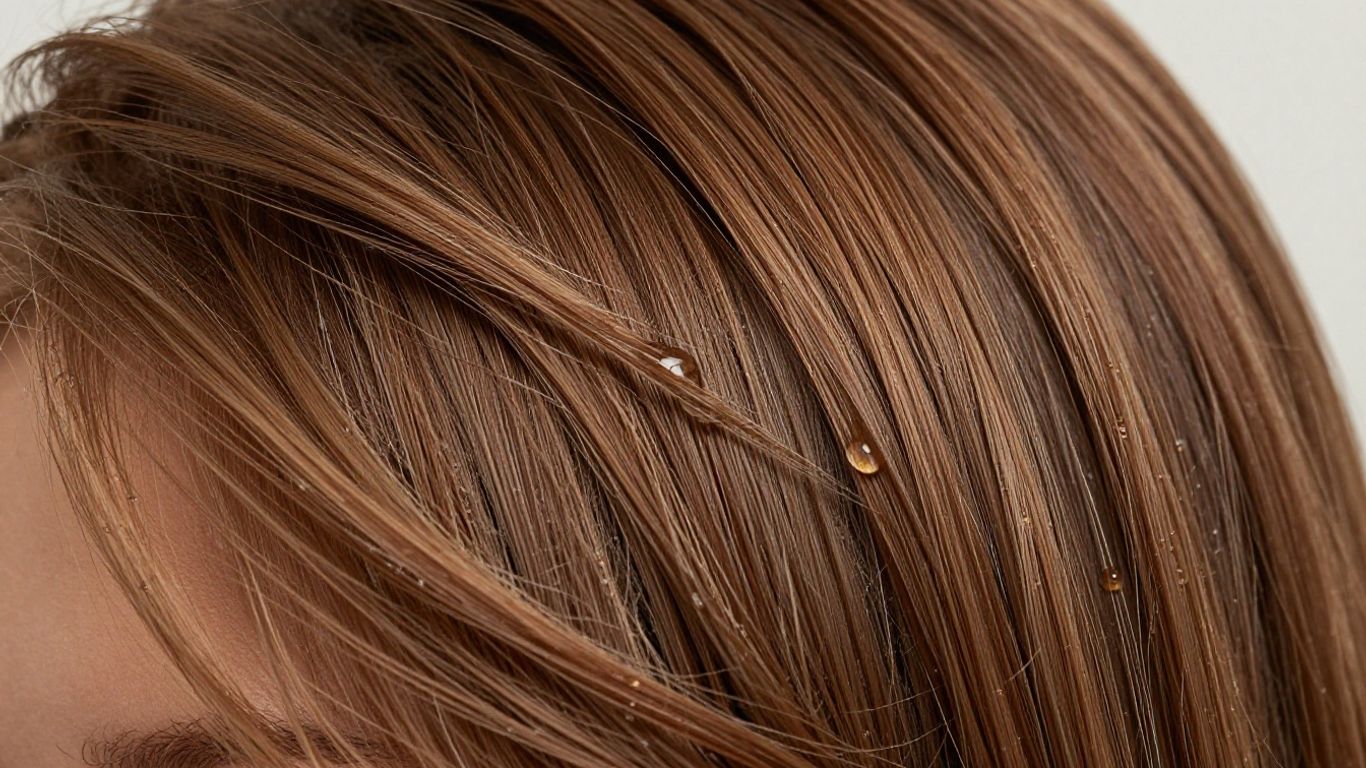
When your natural hair is feeling dry, it's like a plant that needs a good drink. The right ingredients can make a huge difference, bringing back that bounce and softness. It's not just about water; it's about what helps your hair hold onto that moisture.
The Power of Hyaluronic Acid
Hyaluronic acid is a real game-changer for dry hair. You might know it from skincare, but it works wonders on your strands too. It's a humectant, which means it pulls moisture from the air and locks it into your hair. Think of it like a tiny sponge for each hair strand. This helps keep your hair hydrated and feeling plump.
Nourishing Oils and Butters
Oils and butters are like the protective shield for your hair. They help seal in all the good stuff, preventing moisture from escaping. Some favorites include:
- Shea Butter: Super rich and creamy, it deeply conditions and softens.
- Coconut Oil: It can penetrate the hair shaft to moisturize from within.
- Argan Oil: Packed with vitamins, it adds shine and helps tame frizz.
- Jojoba Oil: It's similar to our scalp's natural oils, so it balances moisture well.
These ingredients help smooth the hair cuticle, making your hair feel softer and look shinier. They're great for sealing in moisture after you've applied water-based products. You can find these in many conditioners and leave-in treatments, like the Chérie Hydration & Repair Bundle.
Humectants and Emollients
Humectants, like glycerin and hyaluronic acid, draw moisture into the hair. Emollients, on the other hand, smooth and soften the hair. They fill in the gaps on the hair's surface, making it feel less rough and more manageable. A good product will often have a mix of both to give you that soft, hydrated feel without being greasy.
Finding the right balance of ingredients is key. Too much of one thing can sometimes lead to other issues, so it's about creating a formula that works with your hair's natural needs. Look for products that list these ingredients high up on the label.
Using products with these ingredients can really help your hair feel better. For example, a shampoo formulated with hyaluronic acid and aloe vera can gently cleanse without stripping your hair, leaving it soft and easy to detangle Chérie moisturizing products.
Crafting Your Hydration Routine
Building a solid routine is key to keeping your dry natural hair happy and hydrated. It’s not just about slapping on a product; it’s about understanding what your hair needs at each step. Think of it like a little ritual for your strands.
Cleansing Without Stripping
This is where a lot of people go wrong. Using harsh shampoos can strip away all the natural oils your hair needs to stay moisturized. Instead, reach for something gentle. Sulfate-free shampoos are a good start. For really dry hair, you might even consider co-washing, which means using conditioner to clean your hair instead of shampoo. It sounds a bit different, but it really helps keep moisture in.
Here’s a quick look at what to aim for:
- Sulfate-Free Cleansers: These are much gentler on your scalp and hair.
- Co-washing: Using conditioner as your primary cleanser can be a game-changer for dryness.
- Lukewarm Water: Avoid hot water, as it can also strip moisture.
The goal here is to clean your hair and scalp without removing the natural oils that protect and hydrate your strands.
Deep Conditioning Techniques
Deep conditioning is like a spa treatment for your hair. It’s more intense than your regular conditioner and should be done regularly, maybe once a week or every other week, depending on how dry your hair feels. You want to use a product that really sinks in and gives your hair a boost of moisture. Applying it to clean, damp hair and letting it sit for a good 10-20 minutes, maybe with a shower cap on, makes a big difference. Some people even like to add a little gentle heat, like wrapping a warm towel around their head, to help the conditioner penetrate better.
Sealing in Moisture Effectively
After you’ve cleansed and conditioned, you need to lock all that goodness in. This is where sealing comes in. You’ve put moisture into your hair, now you need to keep it there. This is often done with oils or butters. The idea is to create a barrier that prevents moisture from escaping. You don't need a lot; just a little bit applied to damp hair can make a huge difference in how long your hair stays hydrated throughout the day. Look for products that have a good mix of ingredients designed for moisture retention.
Here’s a simple way to think about the order:
- Cleanse: Gently wash your hair.
- Condition: Replenish moisture.
- Seal: Lock it all in.
Following these steps consistently will help your dry natural hair feel softer, look healthier, and be much easier to manage.
Advanced Hydration Strategies
Sometimes, just a good conditioner isn't enough to keep your natural hair happy and hydrated. You might need to bring out the heavy hitters, or at least, the smarter strategies. Think of it like layering your skincare – you build up to get that lasting moisture.
The Role of Leave-In Treatments
Leave-in conditioners are like a secret weapon for dry natural hair. They're designed to stay on your hair, providing continuous hydration and protection throughout the day. Unlike rinse-out conditioners, they don't get washed away, meaning your hair gets a constant dose of moisture. They often contain ingredients like hyaluronic acid, which is a humectant that draws water into the hair shaft, and nourishing oils that help seal that moisture in. Applying a leave-in to damp hair after washing can really make a difference in how soft and manageable your hair feels. It's a step that can seriously help with detangling and reducing frizz, too. This is where you can really boost your hair's moisture levels between washes.
Protective Styling for Moisture Retention
Protective styles are more than just a way to switch up your look; they're fantastic for keeping your hair moisturized. Styles like braids, twists, or buns tuck away your ends, which are the oldest and most fragile parts of your hair, protecting them from dryness and breakage. When your ends are protected, they're less likely to split or become brittle. This means your hair can retain length and moisture more effectively. It's a good idea to incorporate moisturizing products into your routine before and during these styles. For example, using a leave-in treatment before braiding can help keep the hair hydrated throughout the style. Remember, the goal is to keep moisture in and environmental damage out.
Incorporating Water-Based Products
While oils and butters are great for sealing moisture, they can sometimes act as a barrier, preventing water from actually getting into your hair shaft. This is where water-based products come in. Think of things like hydrating mists, toners, or even just plain water in a spray bottle. Applying these to your hair first, especially when it's damp, allows the water to penetrate the hair cuticle. Then, you can follow up with your oils or creams to lock that water in. This layering technique, sometimes called the "LOC" (Liquid, Oil, Cream) or "LCO" (Liquid, Cream, Oil) method, is super effective for natural hair that tends to dry out quickly. It ensures your hair is getting actual hydration, not just a coating.
It's easy to get caught up in using heavy creams and oils, but sometimes the simplest solution is the best. Water is the ultimate hydrator, and by using water-based products strategically, you can help your hair absorb and retain moisture much more effectively. Don't be afraid to mist your hair with water before applying your favorite leave-in or styling cream.
Maintaining Moisture Long-Term
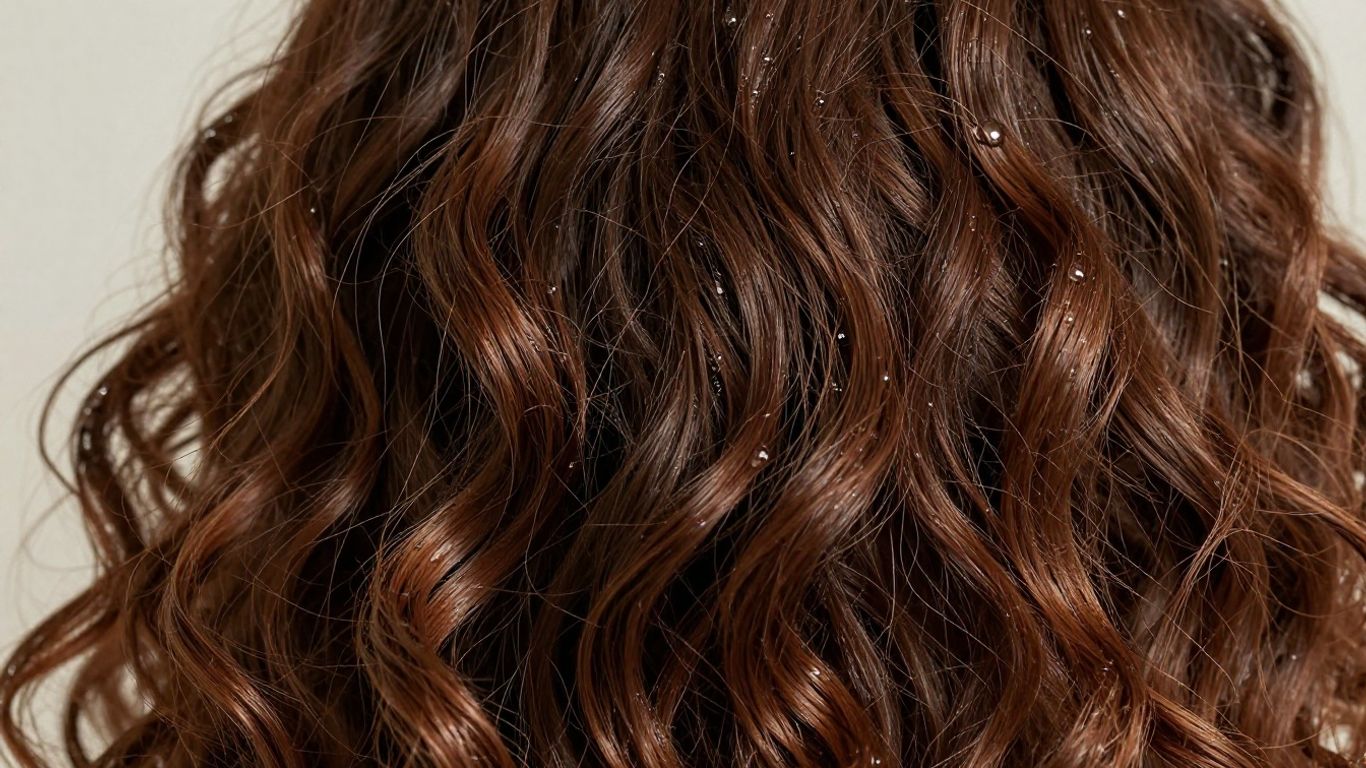
Keeping your natural hair hydrated isn't just about a good wash day routine; it's about consistent care. Think of it like tending a garden – regular watering and attention make all the difference. Making hydration a daily habit is key to long-term hair health.
Daily Hydration Habits
Incorporating small steps into your daily routine can prevent dryness from creeping back in. It's about being mindful of your hair's needs throughout the week.
- Refresh with Water or Leave-In: On days you don't wash, a light mist of water or a spritz of a hydrating leave-in conditioner can revive your strands. Focus on the lengths and ends, where dryness often shows up first. The Chérie All-In-One Leave-In Treatment is great because it's lightweight and won't make your hair feel heavy.
- Seal the Deal: After applying any water-based product, follow up with a light oil or butter to seal that moisture in. This creates a barrier against humidity and prevents water from evaporating too quickly.
- Pineapple Your Hair: Before bed, loosely gather your hair on top of your head. This protective style helps prevent friction against your pillowcase, reducing frizz and preserving your style and moisture.
Protecting Hair from Environmental Factors
Our hair is constantly battling the elements, and this can really dry it out. Being aware of these factors helps you protect your precious curls.
- Sun and Heat: Just like our skin, hair can get damaged by too much sun. Try to wear hats or scarves when you're out for extended periods on sunny days. Also, be mindful of heat styling tools; always use a heat protectant spray.
- Wind and Cold: Harsh winds can strip moisture, leaving hair feeling brittle. In colder months, a satin-lined hat can offer protection. Think of it as a cozy shield for your hair.
- Water Quality: Hard water, with its high mineral content, can build up on your hair, making it feel dry and dull. If you have hard water, consider using a clarifying shampoo occasionally or a showerhead filter.
Recognizing When to Seek Professional Help
Sometimes, despite your best efforts, your hair might need a little extra attention. It's okay to ask for help!
- Persistent Dryness: If your hair remains excessively dry, brittle, or prone to breakage even with a consistent routine, it might be time to consult a professional stylist or a trichologist.
- Scalp Issues: Dryness isn't always about the hair shaft. If you're experiencing persistent itching, flaking, or irritation on your scalp, a professional can help diagnose the cause and recommend treatments.
- Product Buildup: If your hair feels heavy, looks dull, and doesn't respond to your usual products, you might have product buildup. A professional can perform a deep clarifying treatment and advise on products that won't cause issues.
Maintaining moisture long-term is a marathon, not a sprint. It involves consistent, gentle care and paying attention to how your hair responds to your environment and products. Don't get discouraged if you have off days; just get back to your routine. Remember, healthy hair is happy hair, and happy hair is hydrated hair.
Keeping your hair hydrated for the long haul is key to healthy, happy locks. It's not just about a quick fix; it's about building a routine that locks in moisture day after day. Want to learn the secrets to lasting hydration and see which products can help? Visit our website for tips and a full range of solutions!
Keep That Moisture Flowing
So, there you have it. Taking care of dry natural hair doesn't have to be some big, complicated thing. It's really about finding the right products that work for you and making hydration a regular part of your routine. Remember those tips we talked about – using gentle cleansers, deep conditioning, and sealing in all that good moisture. Your hair will thank you for it, feeling softer, looking healthier, and just generally happier. Don't get discouraged if it takes a little trial and error to figure out what your curls love best. Stick with it, and you'll be enjoying beautifully moisturized hair before you know it.
Frequently Asked Questions
Why does my natural hair get so dry?
Natural hair, especially curly or coily types, has a more complex structure. The twists and turns in the hair strand make it harder for natural oils from your scalp to travel all the way down to the ends. This means the tips can often be drier than the roots. Also, some shampoos can strip away too much oil, leaving your hair feeling parched.
What are the best ingredients to help moisturize dry hair?
Look for ingredients like hyaluronic acid, which acts like a sponge to draw moisture into your hair. Natural oils and butters, such as shea butter, coconut oil, or argan oil, are great for softening and sealing in moisture. Humectants, like glycerin, pull moisture from the air, while emollients help to smooth and soften the hair.
How often should I wash my dry natural hair?
Washing too often can strip your hair of its natural oils, making dryness worse. For most people with dry natural hair, washing once a week or even every two weeks is usually enough. It's important to use a gentle, moisturizing shampoo when you do wash.
What's the difference between a rinse-out conditioner and a deep conditioner?
A regular rinse-out conditioner helps to detangle and smooth your hair right after washing. A deep conditioner, however, is richer and meant to be left on for a longer time, usually 10-20 minutes, to really soak into the hair shaft and provide intense moisture and repair.
How can I keep my hair moisturized throughout the day?
You can use leave-in conditioners or water-based moisturizing sprays between washes. Sealing in moisture is also key. After applying your leave-in, you can use a light oil or butter to lock it all in. Protective styles also help by keeping your ends tucked away and preventing moisture loss.
My hair still feels dry even after using moisturizing products. What should I do?
Sometimes, dryness can be caused by external factors like hard water, dry climates, or even certain styling products. If you've tried different moisturizing routines and your hair is still struggling, it might be a good idea to talk to a hairstylist or a dermatologist who specializes in hair care. They can help figure out if there's an underlying issue or suggest more targeted treatments.