

Understanding Your Oily Scalp Dry Ends
So, you've got that weird hair situation where your scalp feels like an oil slick, but the ends of your hair are begging for moisture? Yeah, that's combination hair, and it's more common than you might think. It's like your hair is trying to do two completely different things at once.
The Science Behind Combination Hair
Basically, your scalp has a lot of sebaceous glands, which are responsible for producing oil, or sebum. When these glands go into overdrive, you get that greasy feeling at the roots. Meanwhile, the ends of your hair are older and have been through more – think brushing, styling, environmental stuff. They've lost more of their natural oils and can become dry and brittle. It’s a bit of a tug-of-war between your scalp’s oil production and your hair’s ability to hold onto moisture the further it gets from the scalp.
Common Triggers for Oily Scalp Dry Ends
Several things can mess with this balance. It's not just genetics, though that plays a part. Here are some common culprits:
- Washing Habits: Washing too often can strip your scalp, making it produce more oil to compensate. Not washing enough lets oil build up.
- Product Buildup: Using heavy conditioners or styling products too close to your roots can weigh them down and make them look greasy, while not getting enough moisture to the ends.
- Hormonal Changes: Things like stress, your period, or even certain medications can affect oil production.
- Environmental Factors: Humidity can make your scalp oilier, while dry air can make your ends thirstier. Even the water you use can make a difference.
- Diet and Hydration: What you eat and how much water you drink actually impacts your hair's health from the inside out.
Cleansing Strategies for Balanced Hair
Okay, so you've got that tricky combo hair – oily roots but dry, maybe even brittle, ends. It feels like a constant battle, right? The key here is to clean your hair without stripping away all the good stuff your ends desperately need. It’s all about finding that middle ground.
Choosing the Right Shampoo for Oily Scalp Dry Ends
This is where you really need to pay attention to ingredients. You can't just grab any bottle off the shelf. For your oily scalp, you want something that cleans effectively but isn't so harsh it makes your ends scream for moisture. Look for shampoos that are labeled as clarifying, balancing, or specifically for oily scalps. Avoid anything with heavy sulfates if you can, as they can be really drying. Ingredients like tea tree oil, salicylic acid, or charcoal can be great for tackling oil without being too aggressive. Think of it like washing a greasy pan – you need something to cut the grease, but you don't want to scrub it so hard you damage the non-stick coating. Your hair is kind of like that.
Shampooing Techniques for Maximum Benefit
How you wash matters just as much as what you use. Most people just slather shampoo all over, but with combination hair, you need a more targeted approach. Here’s a good way to do it:
- Focus on the Scalp: When you shampoo, really concentrate on massaging the product into your scalp. This is where the oil is produced, so this is where you need the cleaning action. Use your fingertips, not your nails, to avoid irritation.
- Let the Suds Do the Work: Don't scrub the ends of your hair with shampoo. The lather that runs down your hair shaft as you rinse is usually enough to clean them without drying them out further.
- Rinse Thoroughly: Make sure all the shampoo is out. Leftover product can weigh down your roots and make them look greasy even faster.
The Role of Conditioner Placement
This is probably the most important tip for combination hair. Conditioner is your best friend for those dry ends, but it can be your worst enemy if it touches your oily roots. So, here’s the deal:
- Ends Only: Apply conditioner only from the mid-lengths down to the tips of your hair. These are the oldest, driest parts of your hair that need the hydration.
- Avoid the Scalp: Seriously, keep it away from your scalp. Putting conditioner on your roots is like putting butter on a greasy pizza – it just makes things worse and leads to limp, oily hair.
- Detangle While Applying: While the conditioner is in your ends, use a wide-tooth comb to gently detangle. This helps distribute the product evenly and prevents breakage.
Moisturizing the Dry Ends Effectively
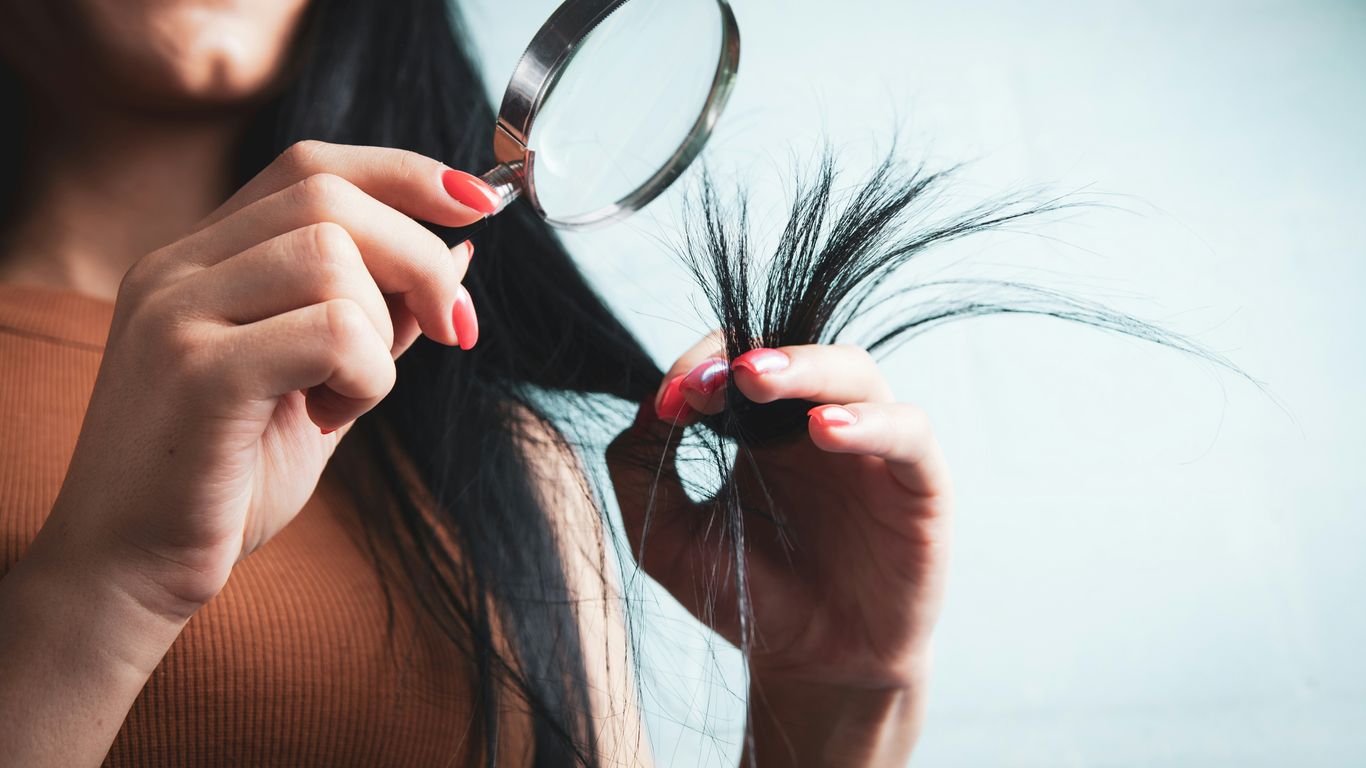
Okay, so you've got that oily scalp situation, but your hair ends? They're practically begging for moisture. It's a common problem, and honestly, it can be a bit tricky to figure out. You don't want to add more oil to your roots, but those dry ends need some serious TLC. Luckily, there are ways to tackle this without making your whole head greasy.
Deep Conditioning Treatments for Damaged Ends
Think of deep conditioning as a spa day for your hair. When your ends are dry, they're usually showing signs of damage – maybe from heat styling, coloring, or just general wear and tear. A good deep conditioner can really help bring them back to life. You want to look for ones that have ingredients like shea butter, argan oil, or keratin. These things help to repair and strengthen the hair shaft.
Here's how to get the most out of it:
- Apply only to the ends: This is the most important part. Start applying the conditioner about halfway down your hair, focusing on the last few inches. Avoid your scalp entirely.
- Let it sit: Don't just rinse it out after a minute. Most deep conditioners work best if you leave them on for at least 10-20 minutes. Some people even like to wrap their hair in a warm towel while it sits to help the product penetrate better.
- Rinse thoroughly: Make sure you get all the product out. Leftover conditioner can make your hair feel heavy and look greasy, which is exactly what we're trying to avoid.
Leave-In Conditioners: A Targeted Approach
Leave-in conditioners are like a daily boost for your dry ends. They provide ongoing hydration and protection throughout the day. The key here is to use them sparingly and strategically. You're not trying to drench your hair; you just want to give those parched ends a little something extra.
- Choose wisely: Look for lightweight formulas. Anything too heavy will just sit on your hair and make it look oily. Water-based or spray leave-ins are often a good bet.
- Application is everything: Again, focus on the mid-lengths and ends. A small amount is usually enough. You can even put a little on your hands and then smooth it over the ends, almost like you're sealing them.
- When to use: These are great after washing and conditioning, before you style. They can also be used on dry hair to tame frizz or add a bit of shine to those dry sections.
Natural Oils for Nourishing Dry Strands
Natural oils can be amazing for dry hair, but you have to be careful not to overdo it, especially with an oily scalp. The trick is to use them in very small amounts and only on the very ends of your hair. Think of it as a finishing touch.
- Best oil choices: Argan oil, jojoba oil, and sweet almond oil are generally good options. They're rich in nutrients but tend to be lighter than some other oils.
- How to apply: Warm a tiny drop or two between your palms and then gently smooth it over the very tips of your hair. You're not trying to coat your hair; you're just trying to give it a little bit of gloss and moisture.
- When to use: These are best used on dry hair, either after styling or as a quick touch-up during the day if your ends are looking particularly rough. A little goes a long way, so start with less than you think you need.
Styling Products That Won't Weigh Down Your Roots
Okay, so you've got the washing and conditioning sorted, but what about styling? This is where things can get tricky with combination hair. You want your ends to look good, maybe a little bit of hold or texture, but the last thing you need is your roots looking like a greasy mess an hour after you've styled.
Lightweight Formulas for Oily Scalp Dry Ends
When you're picking out styling products, think light. Really light. Anything too heavy is just going to sink into your scalp and make it look like you haven't washed your hair in days, even if you just did. We're talking about:
- Mousses: These are usually pretty airy and can give you some volume without a lot of weight. Look for ones specifically designed for fine hair or volume.
- Sprays: Texturizing sprays, sea salt sprays, or even light hairsprays can add some grit or hold without feeling heavy. Just be mindful of how much you're using.
- Serums (used sparingly): A tiny drop of a lightweight serum can help with frizz on your dry ends, but you absolutely have to keep it away from your roots. Like, only touch the very tips of your hair.
Avoiding Heavy Silicones and Waxes
This is a big one. Silicones and waxes are often used in styling products to make hair feel smooth and look shiny. That sounds good, right? Well, for oily roots, not so much. They can build up really fast and make your hair look flat and greasy. When you're reading ingredient lists, keep an eye out for:
- Dimethicone, Cyclomethicone, and other 'cones': While some silicones are lighter than others, heavy ones can be a real problem for oily scalps.
- Waxes: Things like beeswax or paraffin wax are usually found in heavier pomades or creams. They're great for holding styles on dry hair, but they'll just make your roots oily.
Instead, try to find products that use lighter ingredients like plant-based oils (in moderation, of course) or polymers that offer hold without that heavy, sticky feeling. It's all about finding that balance so your roots stay fresh and your ends get the love they need.
Washing Frequency: Finding the Sweet Spot
Okay, so you've got this oily scalp thing going on, but then your ends are practically begging for moisture. It's a tricky balance, right? Figuring out how often to wash your hair can feel like a guessing game. Too often, and you might strip your scalp, making it produce even more oil. Not often enough, and well, you know what happens – greasy roots and maybe some unhappy ends.
How Often to Wash Oily Scalp Dry Ends
Honestly, there's no magic number that works for everyone. It really depends on your hair's specific needs and how quickly your scalp gets oily. For many people with combination hair, washing every other day is a good starting point. This allows your scalp to regulate its oil production without getting too overwhelmed. If you find your roots are looking visibly greasy by the end of day one, you might need to wash daily. On the flip side, if your hair still feels pretty good after two days, you could try stretching it to every third day. Pay attention to how your hair feels and looks.
Here's a little checklist to help you decide:
- Root Greasiness: Are your roots shiny and flat by midday or the next morning?
- Scalp Comfort: Does your scalp feel itchy or uncomfortable when you go too long between washes?
- End Condition: Do your ends feel excessively dry or brittle, even when your roots are oily?
Adjusting Your Routine Based on Activity
Life happens, and sometimes your washing schedule needs to flex. If you've had a particularly sweaty workout, you'll probably want to wash your hair sooner rather than later. Sweat can mix with oil and product buildup, leading to a less-than-fresh feeling and potentially clogging pores. Similarly, if you've been in a really humid environment or used a lot of styling products, a wash might be in order.
Think about these factors:
- Exercise: Intense workouts mean more sweat, so plan for a wash afterward.
- Environment: High humidity or exposure to dust and pollution might necessitate more frequent washing.
- Styling Products: Heavy products can build up, requiring a good cleanse.
It's all about listening to your hair and scalp. What works one week might need a tweak the next. Don't be afraid to experiment a little to find that perfect rhythm.
Scalp Care Rituals for Oil Control
Okay, so we've talked about washing and conditioning, but what about the actual scalp itself? It's easy to forget that the scalp is skin, and just like the skin on your face, it needs some TLC to keep things balanced. For those of us with an oily scalp, this means finding ways to manage that excess oil without making our dry ends even worse. It’s a bit of a balancing act, for sure.
Exfoliating Your Scalp Gently
Think of scalp exfoliation like giving your scalp a good scrub. It helps get rid of dead skin cells, product buildup, and that extra oil that can make your hair look flat and greasy way too fast. Doing this regularly can really make a difference in how clean and healthy your scalp feels. You don't need to do it every single day, maybe once a week or every other week is plenty.
Here’s how to approach it:
- Choose the right tool: You can use a scalp brush, a fine-tooth comb, or even just your fingertips. Some people like a gentle scrub with a sugar-based DIY mask, but be careful not to be too rough.
- Work it in: Apply your chosen exfoliant or treatment to a damp scalp. Gently massage it in circular motions. Focus on areas where you tend to get the most oil.
- Rinse thoroughly: Make sure you wash out all the product. Leftover bits can cause irritation or more buildup, which is the opposite of what we want.
Scalp Treatments to Balance Oil Production
Beyond just exfoliating, there are specific treatments designed to help regulate how much oil your scalp produces. These aren't about stripping your scalp completely, which can actually make it produce more oil to compensate. Instead, they aim to bring things back to a more normal level.
Some popular options include:
- Clay masks: Things like bentonite or kaolin clay are great at absorbing excess oil without drying out your scalp too much. You can find them in ready-made masks or as powders you mix yourself.
- Tea tree oil treatments: Diluted tea tree oil has natural properties that can help calm an overactive scalp and reduce oiliness. Always dilute it with a carrier oil like jojoba or coconut oil before applying.
- Apple cider vinegar rinses: A diluted ACV rinse can help balance your scalp's pH and clarify buildup. Just mix about one part ACV with four parts water and pour it over your scalp after shampooing, then rinse.
Finding the right routine takes a little trial and error, but focusing on gentle exfoliation and targeted treatments can really help keep that oily scalp in check while still letting your dry ends get the moisture they need.
Addressing Dry Ends Without Greasing the Scalp
Okay, so you've got that tricky situation: an oily scalp but the ends of your hair feel like straw. It’s a common problem, and honestly, it can feel like you're fighting a losing battle. You want to moisturize those dry bits, but you're terrified of making your roots look greasy. I get it. It’s all about being smart with where you put your products. You don't need to slather everything all over your head. Think of it like watering a plant – you give water to the roots, but you don't soak the leaves, right? Hair is kind of the same.
Targeted Application of Treatments
This is where you get specific. Forget just slapping conditioner on everywhere. You need to be a bit more strategic. When you're conditioning, focus that creamy goodness from the mid-lengths down to the very tips. Those ends are the oldest part of your hair and they need the most attention. They've been through a lot – brushing, styling, the elements. So, give them the love they deserve, but keep it away from your scalp. If you're using a hair mask or a treatment oil, do the same thing. Apply it only where it's needed. You can even use your fingers to comb it through just the dry sections. It takes a little extra time, but it makes a huge difference in avoiding that greasy look.
Protective Styles for Hair Health
Sometimes, the best way to deal with dry ends is to protect them from further damage. When your ends are already struggling, exposing them to the world can make things worse. Think about styles that keep them tucked away and less likely to snag or break. This doesn't mean you have to wear your hair up all the time, but incorporating some protective styles can really help.
- Braids: A simple braid, or even a French braid, keeps the ends contained and prevents them from rubbing against clothes or getting tangled easily.
- Buns: A low bun or a twisted updo can be great for protecting your ends, especially overnight. Just make sure it's not too tight, you don't want to cause breakage that way.
- Ponytails (with care): If you opt for a ponytail, try to keep it loose and consider wrapping the ends around the hair tie to minimize friction.
These styles help reduce exposure to harsh weather, friction, and over-manipulation, giving your dry ends a chance to recover and retain moisture without adding extra oil to your scalp.
Diet and Lifestyle Factors for Hair Balance
You know, it's easy to focus just on the products we put on our hair, but what we put in our bodies makes a huge difference too. It's like, you can't expect a car to run well on bad gas, right? Same idea for your hair. When you're dealing with that oily scalp and dry ends situation, looking at your diet and daily habits is a smart move.
Nutrition's Impact on Scalp Health
What you eat directly affects how your scalp produces oil and how healthy your hair strands are. Think of it as building blocks. If you're not getting the right materials, things get a bit wonky. For better scalp health and stronger hair, try to include these in your meals:
- Healthy Fats: Things like avocados, nuts (almonds, walnuts), and seeds (chia, flax) are great. They help keep your scalp from getting too dry and can make your hair look shinier. Plus, they're good for your overall health.
- Proteins: Hair is mostly protein, so you need enough of it. Lean meats, fish, eggs, beans, and lentils are good sources. Not enough protein can lead to weaker, more brittle hair.
-
Vitamins and Minerals:
- B Vitamins: Found in whole grains, eggs, and leafy greens, these help with cell turnover, which is important for a healthy scalp.
- Zinc: Oysters, pumpkin seeds, and beef are good sources. Zinc helps with hair tissue growth and repair.
- Iron: Red meat, spinach, and beans are key. Iron deficiency is a common reason for hair thinning.
Hydration for Overall Hair Vitality
Seriously, don't underestimate the power of water. When you're dehydrated, your whole body feels it, and your hair is no exception. Your scalp can get dry and flaky, and your hair ends can become brittle and prone to breakage. It's not just about drinking a glass or two; aim for consistent hydration throughout the day. Keep a water bottle handy at your desk or in your bag. If plain water is a bore, try adding some fruit slices like lemon or cucumber for a little flavor. Herbal teas count too! Getting enough fluids helps keep your scalp moisturized from the inside out and supports the overall health and flexibility of your hair strands, making them less likely to snap.
Environmental Influences on Oily Scalp Dry Ends
So, you've got this oily scalp and dry ends thing going on, and you're wondering if the weather or, you know, just being outside, makes it worse. The short answer is, yeah, it totally can. Our hair and scalp don't exist in a vacuum; they're out there dealing with whatever the environment throws at them.
How Weather Affects Your Hair
Think about it. When it's super humid, your scalp might feel even greasier. That moisture in the air can make your natural oils feel heavier and stick around longer. Plus, if you're sweating more because it's hot and sticky, that sweat can mix with your scalp's oil, making things feel even more… well, oily and potentially leading to buildup.
Then you get to winter. Cold, dry air is the opposite problem. It can strip moisture from your hair, making those ends feel like straw. And guess what? Sometimes, when your scalp gets dry from the cold, it can actually go into overdrive trying to produce more oil to compensate, which can make your roots feel oily even when your ends are parched. It's a real balancing act.
Protecting Hair from Pollution and Hard Water
Living in a city or even just being out and about means your hair is exposed to all sorts of stuff. Pollution particles can land on your scalp and hair, clogging pores and making your scalp feel dirty and oily faster. It's like dust settling on everything, but on your head.
And then there's hard water. If you have hard water where you live, the minerals in it can build up on your hair. This buildup can make your hair feel rough and dry, especially on the ends, while still letting your scalp get oily. It's a double whammy. You might notice your hair feels dull or doesn't lather up as well with shampoo when you're dealing with hard water. Sometimes, using a clarifying shampoo once in a while or a shower filter can help cut down on that mineral buildup and make a difference for both your scalp and your ends.
When to Seek Professional Advice
Look, we've talked a lot about how to manage oily roots and dry ends at home. You can try different shampoos, adjust your conditioning, maybe even play around with some natural oils. Most of the time, you can get things pretty balanced with a little effort and the right routine. But sometimes, no matter what you do, your scalp or your hair just isn't cooperating. That's when it's time to stop messing around and get some real help.
Identifying Persistent Scalp Issues
If you're dealing with more than just a bit of oiliness or dryness, it might be time to see someone. Think about these signs:
- Constant Itching or Irritation: If your scalp feels like it's on fire or itchy all the time, even after washing, it's not normal. This could be a sign of a condition like psoriasis, eczema, or a fungal infection.
- Unusual Flaking or Scaling: Beyond a little dandruff, if you're seeing thick scales, crusty patches, or sores on your scalp, don't ignore it. This points to something more serious than just dry skin.
- Hair Loss Beyond Normal Shedding: Everyone loses some hair daily, but if you notice significant thinning, bald patches, or clumps of hair coming out, that's a red flag. It could be related to scalp health or an underlying issue.
- Soreness or Inflammation: A tender, red, or inflamed scalp that hurts to the touch is definitely not something to brush off. It could indicate an infection or a more serious inflammatory condition.
Consulting a Dermatologist or Trichologist
So, when do you actually make the appointment? If you've tried home remedies for a while and nothing's working, or if you're experiencing any of the serious symptoms above, it's time to call in the pros. A dermatologist is a doctor who specializes in skin, hair, and nails. A trichologist is specifically focused on hair and scalp health. They can:
- Diagnose the Root Cause: They have the tools and knowledge to figure out exactly what's going on with your scalp and hair, whether it's a medical condition, a product reaction, or something else entirely.
- Prescribe Targeted Treatments: They can offer prescription-strength shampoos, topical medications, or other treatments that you can't get over the counter.
- Provide Personalized Advice: Based on your specific situation, they can give you a tailored plan that goes beyond general tips, helping you achieve lasting balance and healthier hair.
If you're unsure about the best way to care for your hair or if you're facing persistent issues, don't hesitate to reach out for expert help. Sometimes, a professional can offer insights and solutions you might not find on your own. Visit our website to learn more about personalized hair care.
So, What's the Takeaway?
Dealing with hair that's oily at the roots but dry on the ends can feel like a puzzle, right? It’s not always easy to figure out what your hair needs. But remember, it’s totally doable. You just need to find that sweet spot with your washing and conditioning routine. Don't be afraid to experiment a little with different products or techniques until you find what works best for you. Your hair will thank you for it, and you'll feel a lot better knowing you've got it under control. It’s all about listening to your hair and giving it what it’s asking for.