

Optimizing Your Hair Care Routine: Morning Versus Night
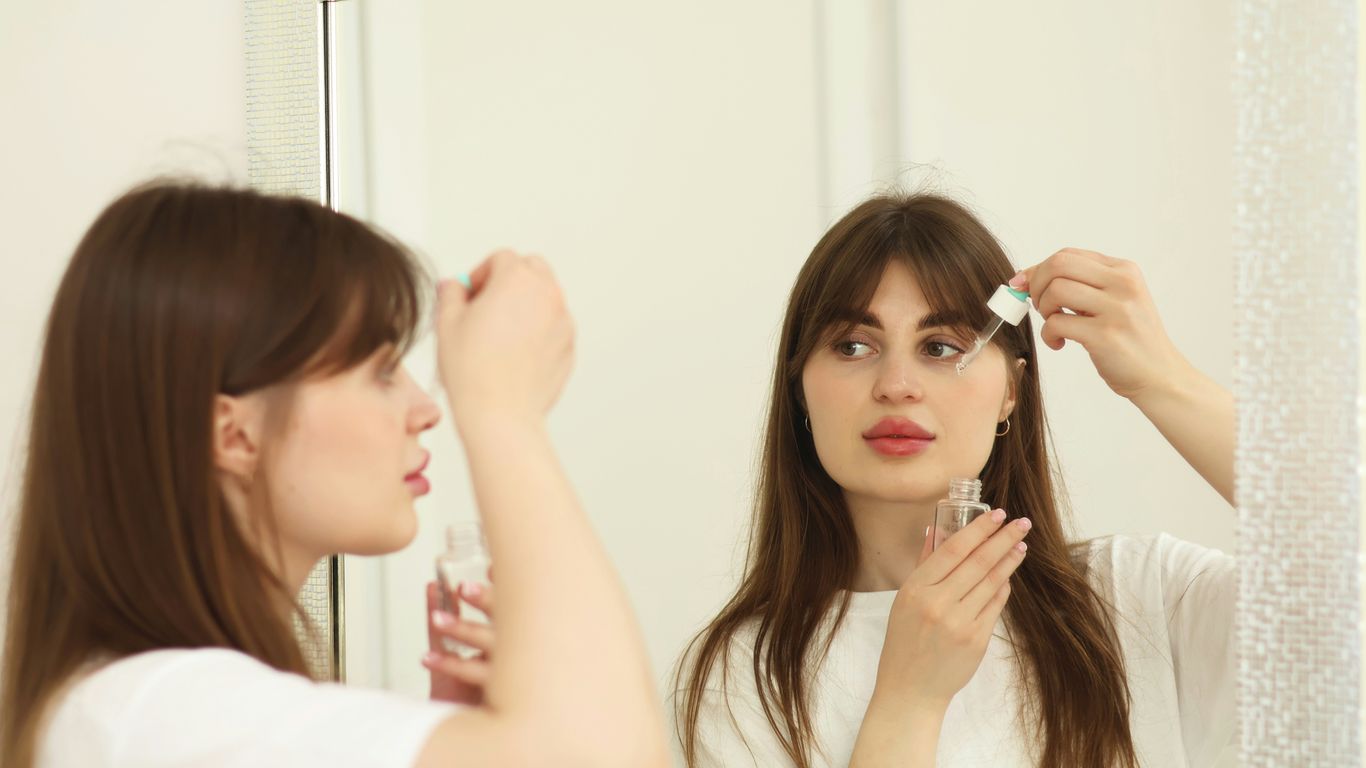
So, you've got your hair care products, but when should you actually use them? It turns out, timing can make a pretty big difference. Your hair, just like the rest of your body, has its own rhythm, and understanding that can help you get better results.
Understanding Circadian Rhythms and Hair Health
Think about how you feel at different times of the day. You're probably more active in the morning and winding down at night. Your hair and scalp follow a similar pattern, influenced by something called circadian rhythms. These are your body's internal 24-hour clock. During the day, your scalp might be more active producing oils, and your hair is exposed to all sorts of things. At night, while you sleep, your body goes into repair mode. This is when cell regeneration happens, and it's a prime time for your hair to recover from the day's wear and tear. Knowing this helps you pick the right products for the right time.
The Role of Environmental Factors in Hair Damage
Let's be real, your hair goes through a lot every single day. You step outside, and bam – UV rays from the sun, pollution in the air, maybe even harsh winds. Then there's the heat from styling tools, friction from your clothes, and even just touching your hair too much. All these things can chip away at your hair's strength and shine, making it dry, brittle, or frizzy. The damage isn't just cosmetic; it can affect the hair shaft's structure. So, protecting your hair during the day is a big deal.
Establishing a Consistent Hair Care Routine
Consistency is key, but that doesn't mean doing the exact same thing morning and night. A good routine works with your hair's natural cycles. Think of it like this:
- Morning: Focus on protection and setting your hair up for the day. This means shielding it from environmental stress and adding lightweight moisture for styling.
- Night: This is your chance for serious repair. It's when you can use richer treatments to nourish, strengthen, and help your hair recover from daily damage.
By tailoring your routine to the time of day, you're giving your hair exactly what it needs, when it needs it. It’s about working smarter, not just harder, with your hair care.
Morning Hair Care Strategies for Protection and Style
Okay, so you've woken up, and your hair is... well, it's hair. But before you just run a brush through it and call it a day, let's talk about giving it a little morning boost. Think of your morning routine as prepping your hair for the gauntlet it's about to face. We're talking wind, sun, maybe some accidental tugging, and just general daily life.
Prepping Hair for Daily Stressors
Your hair goes through a lot from the moment you step outside. The sun's UV rays can weaken strands, pollution can build up, and even just friction from your clothes or pillow can cause damage. So, the goal in the morning is to create a bit of a shield. It’s not about heavy products that weigh your hair down, but more about giving it a fighting chance.
Lightweight Hydration and Styling Products
This is where you want to be smart about what you apply. Heavy creams or oils might feel good initially, but they can attract dirt and make your hair look greasy by lunchtime. Instead, look for products that offer moisture without the weight. Think about:
- Leave-in conditioners: These are great for adding a bit of slip, making your hair easier to detangle and reducing breakage. Look for ones with simple, hydrating ingredients.
- Lightweight serums or sprays: A few spritzes can add shine and control frizz. Many are formulated with silicones that coat the hair shaft, offering a smooth finish and some protection.
- Mousse or texturizing sprays: If you style your hair, these can give you hold and shape without making it stiff or crunchy. They often provide a bit of volume too, which is always nice.
Shielding Hair from Environmental Aggressors
This is the protection part. You want to create a barrier against the bad stuff. This doesn't mean slathering on sunscreen for your hair (though some products do have SPF!), but rather using ingredients that help.
- UV filters: Some styling products and sprays contain ingredients that help block harmful UV rays. This is especially important if you spend a lot of time outdoors.
- Antioxidants: Things like Vitamin E or green tea extract can help neutralize free radicals caused by pollution and sun exposure. They essentially help your hair fight off damage at a cellular level.
- Protective coatings: Certain ingredients, like some silicones or plant-based polymers, can form a thin film around the hair shaft. This film helps repel pollutants and reduces friction, keeping your hair smoother and less prone to breakage throughout the day.
Evening Hair Care for Repair and Restoration
Your hair goes through a lot during the day, right? From the sun and wind to styling and pollution, it takes a beating. Nighttime is your hair's chance to recover and rebuild. Think of it as your hair's spa time while you sleep. It's when your scalp and strands can really focus on getting back to their best.
Cleansing and Detoxifying the Scalp
First things first, you need to get rid of all the gunk that's built up. This isn't just about washing your hair; it's about giving your scalp a clean slate. A clean scalp is key for healthy hair growth. When your scalp is clogged with product residue, oil, and environmental grime, it can really slow things down. You want to use a shampoo that cleans well but doesn't strip your hair completely dry. Look for something that feels effective but leaves your hair feeling soft, not squeaky.
- Remove product buildup: This includes styling gels, sprays, and even dry shampoo. They can accumulate and make your scalp feel heavy.
- Wash away environmental pollutants: Think dust, smog, and anything else the day threw at your hair.
- Prep for treatments: A clean scalp allows conditioners and treatments to penetrate better.
Deep Conditioning and Nourishment Treatments
After cleansing, it's time to give your hair some serious TLC. This is where you bring out the heavy hitters – the deep conditioners and nourishing masks. These products are packed with ingredients that work to repair damage, add moisture, and make your hair feel smoother and look shinier. You're basically feeding your hair the nutrients it needs to bounce back.
- Replenish lost moisture: Dry hair is brittle hair. Deep conditioners help restore hydration.
- Repair protein structures: Over time, hair can lose its protein. Treatments can help rebuild this strength.
- Smooth the cuticle: This makes hair look shinier and feel softer, reducing frizz.
Promoting Overnight Hair Growth and Repair
While you're catching Zs, your body is busy repairing itself, and your hair is no exception. The cell regeneration process really kicks into high gear during sleep. Using specific nighttime treatments can help support this natural repair cycle. These products often have ingredients that work over several hours, so applying them before bed makes a lot of sense. It’s like giving your hair a head start on its nightly recovery mission.
Key Ingredients for Morning Hair Care
Okay, so you've got your morning routine down, but what exactly should you be putting in your hair to get it ready for the day? It's all about protection and keeping things looking good without weighing your hair down. Think of it as prepping your hair for whatever the day throws at it.
Antioxidants for Environmental Defense
Your hair faces a lot from the moment you step outside. Pollution, UV rays, even just the general grime in the air can take a toll. Antioxidants are like tiny shields for your hair. They help fight off the damage caused by free radicals, which are unstable molecules that can harm your hair's structure and color. You'll find these powerhouses in ingredients like Vitamin E, Vitamin C, and green tea extract. Using products with these can help keep your hair looking healthier and prevent that dull, lifeless look that comes from constant exposure.
Lightweight Hydration and Styling Products
In the morning, you don't want heavy stuff that's going to make your hair greasy or flat. The goal is hydration that doesn't quit. Look for ingredients that add moisture without the weight. Things like hyaluronic acid are great because they attract water to your hair. Glycerin is another good one. For styling, you want products that offer hold or definition but are still light. Think leave-in conditioners, light mousses, or styling creams that are specifically labeled as lightweight. These help manage frizz and add a bit of shape without making your hair feel stiff or sticky. It's about getting that polished look without the heavy feel.
Protective Agents Against Heat and UV
If you use heat tools like a blow dryer or straightener, or even if you just spend time in the sun, you need protection. Heat can dry out your hair and make it brittle, while UV rays can fade your color and weaken the strands. Look for ingredients that form a protective barrier. Silicones, when used in lighter formulations, can help here by smoothing the hair cuticle and reflecting UV rays. There are also plant-based alternatives that work similarly. Many products will specifically mention 'heat protection' or 'UV protection' on the label, so keep an eye out for those. Applying these before styling or heading out can make a big difference in preventing damage over time.
Essential Ingredients for Nighttime Hair Repair
Okay, so while you're catching those Zzz's, your hair is actually busy doing some serious repair work. It's like a little overnight spa treatment for your strands. To help it out, you want to use ingredients that really sink in and do their thing while you sleep. Think of it as giving your hair the best possible fuel for its nightly restoration project.
Nourishing Oils and Butters
These are your heavy hitters for nighttime. They're rich and can really penetrate the hair shaft, fixing damage and adding moisture. You're looking for things that are a bit thicker, so they don't just evaporate.
- Shea Butter: It's packed with vitamins and fatty acids that make hair soft and smooth. It's great for sealing in moisture.
- Coconut Oil: This one is pretty famous for its ability to get deep into the hair. It helps reduce protein loss, which is a big deal for preventing breakage.
- Argan Oil: A bit lighter than shea butter but still super moisturizing. It's full of antioxidants and vitamin E, which are good for overall hair health and shine.
Peptides and Proteins for Strength
Hair is mostly protein, so giving it more protein overnight can really help rebuild it. Peptides are like tiny building blocks of protein, and they can get into the hair to make it stronger from the inside out.
- Hydrolyzed Proteins: These are broken-down proteins (like wheat, soy, or keratin) that are small enough to get into the hair's cuticle. They help fill in gaps and make hair less prone to damage.
- Amino Acids: These are the basic units that make up proteins. Adding them can help strengthen the hair structure and improve elasticity.
Hydrators for Scalp and Strand Moisture
Don't forget your scalp! A healthy scalp means healthy hair growth. And keeping your strands hydrated overnight prevents them from getting dry and brittle.
- Hyaluronic Acid: You might know this from skincare, but it's amazing for hair too. It pulls moisture from the air and locks it into your hair and scalp.
- Glycerin: Another humectant, meaning it draws water. It's a simple but effective way to add moisture back into dry hair.
- Panthenol (Pro-Vitamin B5): This ingredient is great because it not only moisturizes but also helps hair retain moisture. It can make hair feel thicker and look shinier.
Product Recommendations for a Balanced Hair Care Routine
So, you've got the lowdown on why morning and night routines matter for your hair. Now, let's talk about what you can actually put on your hair to make it happen. It's not about having a million products, but picking the right ones for the right time.
Morning Hydration and Protection
Your hair goes through a lot during the day, right? Think sun, wind, maybe even that office air conditioning. So, your morning routine is all about prepping it for that daily grind. You want products that add a bit of moisture without weighing your hair down, and also give it some defense.
- Lightweight Leave-In Conditioners: These are your best friends for adding a touch of hydration. Look for ones with ingredients like hyaluronic acid or glycerin. They pull moisture into the hair shaft. Just a little bit, spritzed or smoothed through, can make a big difference in how your hair feels and looks.
- UV Protection Sprays: If you spend a lot of time outdoors, this is a must. Just like sunscreen for your skin, these sprays create a barrier against damaging UV rays. Some even have added heat protection if you're planning on using styling tools.
- Styling Creams or Serums: For frizz control and a bit of shine, a small amount of a lightweight styling cream or serum can go a long way. Look for formulas that don't contain heavy silicones if you're worried about buildup.
Nighttime Repair and Scalp Health
Nighttime is when your body, including your scalp and hair follicles, gets to work on repairs. Your evening routine should support this natural process. This is the time for richer treatments that can work their magic while you sleep.
- Nourishing Hair Masks: Once or twice a week, swap your regular conditioner for a deep conditioning mask. These are packed with richer ingredients like shea butter, argan oil, or keratin to really replenish moisture and strength.
- Scalp Serums or Oils: A healthy scalp means healthy hair. Look for serums with ingredients like peppermint oil (for stimulation) or tea tree oil (for cleansing). Gently massage it into your scalp before bed. It feels good, and it helps get those nutrients to the roots.
- Overnight Hair Treatments: There are specific treatments designed to be left on overnight. These often contain proteins or peptides that help repair damage and strengthen the hair shaft while you're catching Zs. Just make sure to use a silk or satin pillowcase to protect your hair and the pillow.
Targeted Treatments for Specific Concerns
Sometimes, your hair has specific issues that need a little extra attention. Whether it's thinning, breakage, or just a general lack of life, there are products designed for that.
- For Thinning Hair: Consider a hair growth serum or a thickening spray. Ingredients like biotin, caffeine, and minoxidil (if recommended by a doctor) can help stimulate the scalp and hair follicles.
- For Breakage and Split Ends: Look for bond-building treatments. These work on a molecular level to repair broken disulfide bonds in the hair, which are often the cause of breakage. They can be in the form of masks, leave-in treatments, or even shampoos and conditioners.
- For Color-Treated Hair: You'll want to use products specifically made for color-treated hair. These are usually sulfate-free and contain UV filters to prevent your color from fading and ingredients that help maintain moisture, which color-treated hair often lacks.
The Science Behind Overnight Hair Growth
You know how you feel like you've slept your way to a better you? Well, your hair might be doing something similar while you're catching those Zs. It turns out, your body doesn't just shut down when you sleep; it gets busy with some important repair and growth work, and your hair is part of that. Let's break down what's actually happening.
Cell Regeneration During Sleep
While you're dreaming, your body is in full-on maintenance mode. This includes your hair follicles. Think of it like your cells getting a nightly tune-up. They're busy dividing and repairing themselves, which is pretty much the engine for hair growth. This process is more active when you're resting compared to when you're up and about, dealing with the day's stresses.
Nutrient Delivery to the Follicles
When you sleep, your body's blood flow shifts. More blood gets directed to certain areas, including your scalp. This increased circulation means that all the good stuff you've eaten – the vitamins, minerals, and proteins – can get delivered more efficiently to your hair follicles. It's like a nighttime delivery service for your hair, bringing it the fuel it needs to grow strong.
Hormonal Influences on Hair Growth Cycles
Sleep also plays a role in your hormone levels. For instance, growth hormone is released more during deep sleep. This hormone isn't just for kids growing taller; it's involved in cell repair and regeneration throughout your life, including in your hair follicles. Melatonin, the sleep hormone, also has antioxidant properties that can help protect your scalp and hair from damage, creating a better environment for growth.
Addressing Dry and Damaged Hair Throughout the Day and Night
So, your hair feels like straw, huh? It happens to the best of us. Dry and damaged hair needs a bit of extra TLC, and you can't just slap on some conditioner and call it a day. The trick is to give it what it needs, both when you wake up and right before you hit the pillow. It’s not about magic potions, but about consistent care.
Morning Moisture Infusion
When you first wake up, your hair might be feeling a bit parched, especially if you slept with it down or in a style that caused friction. The goal in the morning is to add lightweight moisture without weighing your hair down. Think of it like giving your hair a drink of water.
- Lightweight Leave-Ins: A spritz of a hydrating mist or a tiny amount of a leave-in conditioner can make a big difference. Look for formulas with ingredients like glycerin or hyaluronic acid, which draw moisture into the hair.
- Serums for Shine and Smoothness: If frizz is your main enemy, a small drop of a silicone-free serum can smooth the cuticle and add a bit of shine. You only need a little bit – rub it between your palms first so it spreads evenly.
- Protecting from the Elements: Before you head out, consider a spray that offers some protection against UV rays or pollution. These can help prevent further damage throughout the day.
Evening Deep Conditioning
Nighttime is when your hair can really soak up the good stuff. While you're sleeping, your hair has time to repair itself, and a good treatment can help that process along. This is where you can be a bit more generous with richer ingredients.
- Overnight Masks: These are your best friends for serious repair. Apply a mask generously to damp hair, focusing on the mid-lengths and ends. You can even wrap your hair in a soft towel or a silk bonnet to keep it contained and boost the treatment.
- Targeted Treatments: If you have specific issues like breakage or split ends, use a targeted treatment oil or balm. Apply it directly to the problem areas. Ingredients like shea butter, argan oil, or jojoba oil are great for this.
- Scalp Love: Don't forget your scalp! A dry scalp can lead to dry hair. A scalp oil or serum applied before bed can nourish the scalp and create a better environment for hair growth.
Sulfate-Free Cleansing for Gentle Care
How you wash your hair matters, especially when it's dry or damaged. Harsh sulfates can strip away natural oils, making dryness worse. So, when you do wash, go gentle.
- Choose Your Cleanser Wisely: Opt for shampoos labeled "sulfate-free" or "moisturizing." These are formulated to clean without stripping.
- Washing Frequency: You might not need to wash your hair every single day. Over-washing can contribute to dryness. Try extending the time between washes if you can.
- Conditioner is Key: Always follow up with a conditioner, even if you use a co-wash (conditioner washing). Focus the conditioner on the ends of your hair, where it tends to be driest and most damaged.
Scalp Health: A Foundation for a Robust Hair Care Routine
Morning Scalp Stimulation
Think of your scalp as the soil for your hair. Just like plants need good soil to grow, your hair needs a healthy scalp. In the morning, you can give your scalp a little wake-up call. Gently massaging your scalp for a few minutes can really help. It gets the blood flowing, which means more good stuff like oxygen and nutrients can get to your hair follicles. You can do this with your fingertips while you're waiting for your coffee to brew or even in the shower. It doesn't take long, but it can make a difference over time. Some people like to use a scalp massager tool for this, which can feel pretty nice too. It's a simple way to start your day and show your scalp some love.
Nighttime Scalp Nourishment
While you're sleeping, your body is busy repairing itself, and your scalp is no different. This is the perfect time to give it some extra attention. After you've washed your hair, consider applying a scalp serum or a treatment oil. These products are often thicker and have ingredients that work best when left on for a while, like overnight. They can help moisturize a dry scalp, calm irritation, or even give your hair follicles a boost. Look for ingredients like hyaluronic acid for hydration or tea tree oil if you're dealing with itchiness. Just a few drops massaged into the scalp can go a long way. It’s like giving your scalp a spa treatment while you catch some Zs.
The Benefits of Salicylic Acid for Scalp Exfoliation
Sometimes, your scalp can get a bit clogged up with dead skin cells, product buildup, and oil. This can make it hard for healthy hair to grow. That's where salicylic acid comes in. It's a type of beta-hydroxy acid (BHA) that's really good at getting into your pores and breaking down all that gunk. Think of it like a tiny scrub brush for your scalp. Using a shampoo or a treatment with salicylic acid once or twice a week can help keep your scalp clear and clean. This means your hair follicles have a better chance to breathe and do their job. It can also help with issues like dandruff or flakiness. Just be sure not to overdo it, as too much exfoliation can sometimes irritate the scalp. Start slow and see how your scalp responds.
Integrating Clean Formulations into Your Hair Care Routine
Understanding 'Clean' Hair Care Standards
You've probably seen the term 'clean beauty' everywhere, and hair care is no exception. But what does 'clean' actually mean when it comes to your shampoo and conditioner? It's not a regulated term, so brands define it differently. Generally, it means products made without certain ingredients that some people prefer to avoid. Think parabens, sulfates, phthalates, and synthetic fragrances. It's about being more mindful of what you're putting on your scalp and hair, often focusing on ingredients that are plant-derived and have a lower potential for irritation.
Benefits of Sulfate-Free and Silicone-Free Products
Let's talk about two big ones: sulfates and silicones. Sulfates, like Sodium Lauryl Sulfate (SLS), are what make shampoo lather up. They're really good at cleaning, but they can also strip your hair of its natural oils, leaving it dry and brittle, especially if you have color-treated or curly hair. Sulfate-free shampoos still clean effectively but are much gentler. Then there are silicones. They coat the hair shaft, making it feel smooth and look shiny. While that sounds good, they can build up over time, weighing your hair down and preventing moisture from getting in. Going silicone-free means your hair can breathe and absorb moisture better, leading to healthier strands in the long run.
Ethical Considerations in Hair Product Selection
Beyond just the ingredients list, 'clean' can also touch on how products are made. This might mean looking for brands that are:
- Cruelty-free: No animal testing involved at any stage.
- Sustainably sourced: Ingredients are gathered in ways that don't harm the environment.
- Packaged responsibly: Using recycled materials or minimizing plastic.
It's about aligning your hair care choices with your values. When you pick products with these considerations in mind, you're not just caring for your hair; you're making a choice that feels good all around.
Ready to make your hair care routine healthier? Switching to clean formulas is a great step. These products use gentle ingredients that are good for your hair and scalp. Discover how easy it is to embrace clean beauty for gorgeous, healthy hair. Visit our website today to explore our collection of clean hair care essentials!
Wrapping It Up: Your Hair's Best Routine
So, you've learned a bit about how your hair might benefit from different care routines depending on the time of day. Think of it like this: your morning routine is about protection and getting ready for the day ahead, maybe using lighter products to keep things fresh. Then, your nighttime routine can be more about repair and deep nourishment while you sleep, letting those richer ingredients do their work. It's not a hard and fast rule, though. Pay attention to your hair's needs. If it's feeling dry, maybe a richer conditioner at night is good. If it gets greasy, perhaps a lighter shampoo in the morning works better. Brands like Cherie Strands offer options like their Hydrating Sulfate-Free Shampoo and Deep Conditioning Hair Mask, which could fit into either routine depending on what your hair is telling you. Ultimately, the best routine is the one that makes your hair look and feel its best, day or night. Remember to check product ingredients and see what works for you.
Disclaimer: This article is for informational purposes only and does not constitute medical advice. Always consult with a qualified healthcare provider for any health concerns or before making any decisions related to your health or treatment.