

Understanding The Science Behind Dry Hair And Scalp
Ever wonder why your hair feels like straw or your scalp gets itchy and flaky? It all comes down to moisture, or rather, the lack of it. Your hair and scalp have a natural system to keep things hydrated, and when that system gets out of whack, you end up with dryness.
The Role of Natural Oils in Hair Health
Think of your scalp as a tiny oil factory. It produces something called sebum, which is basically your body's natural conditioner. This sebum travels down your hair shaft, coating it. This coating does a few important things:
- Lubrication: It keeps your hair strands from rubbing against each other too much, which can cause breakage.
- Protection: It forms a barrier against environmental damage, like pollution and harsh weather.
- Shine: It gives your hair that healthy, natural sheen.
When your scalp isn't producing enough sebum, or when that sebum isn't getting distributed properly, your hair and scalp start to dry out. It’s like not oiling a squeaky door hinge – eventually, it’s going to make noise and not work right.
Factors Contributing to Moisture Loss in Hair and Scalp
So, what messes with this natural oil production and distribution? A bunch of things, really. It’s not just one culprit.
- Washing Habits: Washing your hair too often, especially with hot water or harsh shampoos, strips away those natural oils faster than your scalp can replace them. It’s like constantly rinsing away the protective coating.
- Environment: Cold, dry air (hello, winter!) or even excessive sun exposure can pull moisture from your hair and scalp. Think of how your skin feels in the winter – your scalp can feel that too.
- Genetics and Age: Some people are just naturally less oily, and as we get older, our oil production tends to decrease. It’s just how our bodies work.
- Styling Practices: Heat styling tools like blow dryers and straighteners, and even certain chemical treatments, can damage the hair cuticle, making it harder for hair to hold onto moisture. It’s like poking holes in a water balloon; the water just leaks out.
Identifying Symptoms of Dry Hair and Scalp Issues
Okay, so you're noticing your hair feels a bit off, maybe your scalp is itchy. It's easy to just think 'dry,' but let's get a bit more specific so you know what you're dealing with. Knowing the signs helps you pick the right products and treatments, which is half the battle.
Recognizing Signs of Dehydration in Hair Strands
Your hair strands can tell you a lot if you pay attention. When hair is dry, it's not getting enough moisture, and this shows up in a few ways. It's not just about feeling rough; there are actual physical changes happening.
- Lack of Shine: Healthy, hydrated hair reflects light well, giving it a natural sheen. Dry hair often looks dull and lifeless because the outer layer (the cuticle) is raised and rough, scattering light instead of reflecting it smoothly.
- Brittleness and Breakage: If your hair snaps easily when you brush it or even just touch it, that's a big sign of dryness. The hair shaft loses its flexibility when it's dehydrated, making it prone to breaking.
- Frizz: You might think frizz is just humidity, but dry hair often frizzes up because the dry strands are seeking moisture from the air. The rough cuticle allows moisture to enter unevenly, causing the hair to swell and look frizzy.
- Tangles: Dry hair doesn't glide over itself as easily as hydrated hair. This means you'll likely find yourself dealing with more knots and tangles, especially after washing.
Distinguishing Dry Scalp from Other Conditions
This is where it gets a little tricky. An itchy, flaky scalp is a common complaint, but it's not always just simple dryness. Sometimes, it's something else that needs a different approach. It's worth figuring out the difference so you don't waste time and money on the wrong fixes.
- Dry Scalp: This usually feels tight, especially after washing. The flakes are typically small, white, and dry, similar to dandruff but often less severe. The itching is usually mild to moderate. It's essentially skin that's lost too much moisture, just like the skin on your arms or legs can get dry.
- Dandruff (Seborrheic Dermatitis): This is a more common condition where the scalp produces too much oil, which then irritates the scalp and causes flaking. The flakes are often larger, yellowish, and can be greasy. Itching can be more intense than with dry scalp.
- Psoriasis: This is an autoimmune condition that causes red, scaly patches on the scalp. The scales are usually thicker, silvery, and can be quite inflamed. It's more than just dryness; it's a skin condition that requires medical attention.
- Allergic Reactions: Sometimes, a reaction to a hair product can cause itching and flaking. This might be accompanied by redness or a rash. If the itching started shortly after you began using a new shampoo or styling product, this could be the culprit.
If you're unsure, or if the flaking is severe, persistent, or accompanied by redness and inflammation, it's always a good idea to chat with a dermatologist. They can properly diagnose the issue and recommend the best course of action for you.
Selecting The Right Cleansing Products
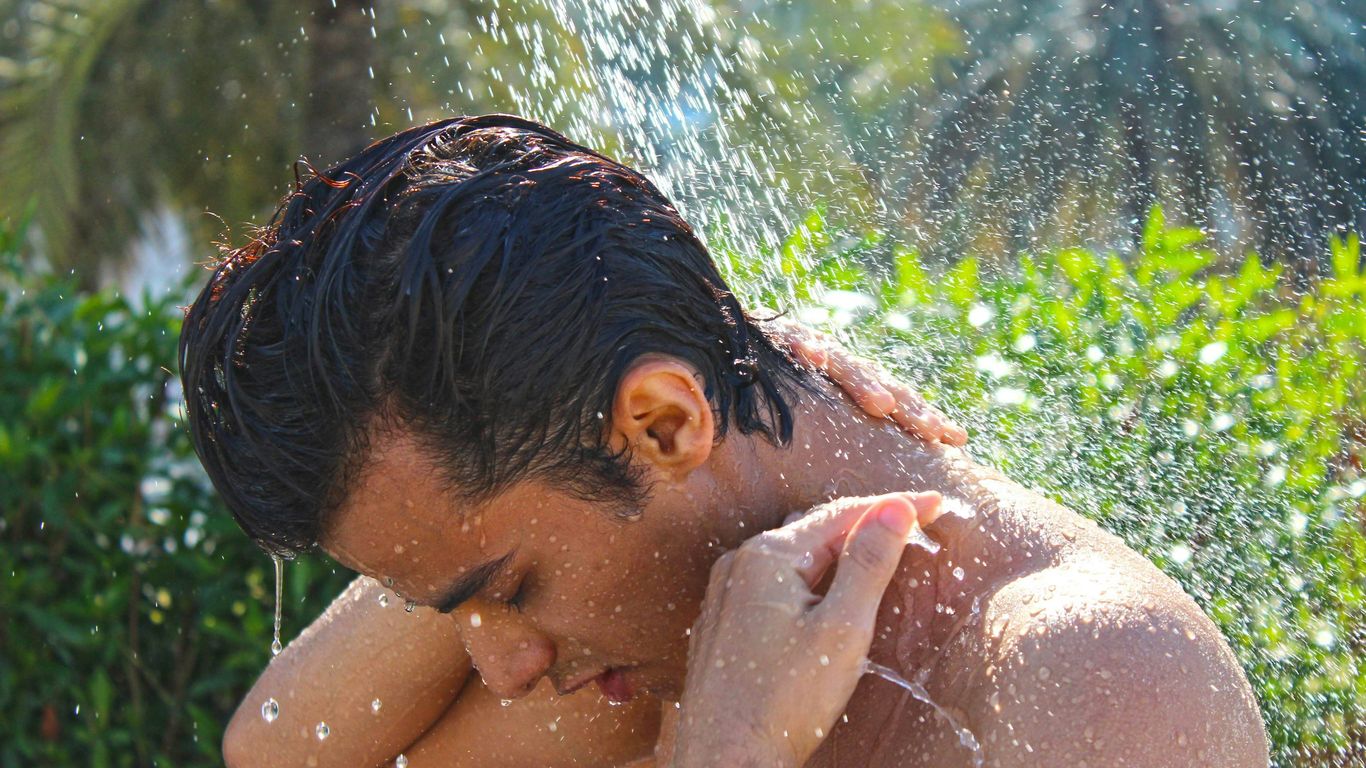
When your hair and scalp are feeling dry, the first thing you reach for is probably shampoo. But not all shampoos are created equal, especially when your scalp needs a little extra TLC. Using the wrong kind can actually strip away what little moisture you have, making things worse. It’s like trying to put out a fire with gasoline, you know?
The Benefits of Sulfate-Free Shampoos
So, what's the deal with sulfates? These are the ingredients that make shampoo lather up like crazy. They're really good at cleaning, but they can be a bit too aggressive for dry hair and scalps. Sulfates can strip away your hair's natural oils, which are super important for keeping things moisturized and healthy. Think of those oils as your hair's natural conditioner.
When you use a sulfate-free shampoo, you're getting a gentler clean. It still gets your hair and scalp clean, but it doesn't go overboard and remove all those good oils. This means your hair is less likely to feel stripped, brittle, or look dull after washing. It helps maintain your scalp's natural moisture balance, which is key for preventing that tight, itchy feeling.
Key Hydrating Ingredients to Look For
When you're scanning the ingredient list on shampoo and conditioner bottles, keep an eye out for these guys. They're the ones that will actually help bring some life back into your dry hair and scalp:
- Glycerin: This is a humectant, which means it pulls moisture from the air into your hair and scalp. It's like a magnet for hydration.
- Hyaluronic Acid: You might have heard of this in skincare, but it's great for hair too. It can hold a lot of water, helping to plump up dry strands and keep your scalp hydrated.
- Natural Oils (like Argan, Jojoba, or Coconut Oil): These are fantastic for replenishing lost moisture. They penetrate the hair shaft to moisturize from within and also form a protective layer on the outside to keep moisture in.
- Shea Butter: This is a rich emollient that softens and smooths hair, while also providing deep moisture.
- Panthenol (Pro-Vitamin B5): This ingredient helps to improve hair's elasticity and retain moisture, making it feel softer and look shinier.
Choosing products with these ingredients means you're not just cleaning your hair; you're actively working to rehydrate it with every wash. It’s a small change that can make a big difference in how your hair looks and feels.
Implementing Deep Conditioning Treatments
Okay, so you've got your shampoo situation sorted, which is great. But for hair that's really feeling the dryness, just shampooing isn't going to cut it. That's where deep conditioning comes in. Think of it as a serious hydration boost for your hair and scalp, going way beyond what your regular conditioner does.
How Masks Restore Moisture and Elasticity
Dry hair is often brittle hair. It loses its natural oils, which are like the hair's built-in moisturizer. When those oils are gone, the hair shaft can become rough, leading to frizz and breakage. Deep conditioning treatments, often called hair masks, are packed with richer ingredients than your average conditioner. They have things like natural oils (argan, coconut, shea butter), fatty acids, and proteins that can penetrate the hair shaft. This helps to smooth down the outer layer of the hair (the cuticle), making it feel softer and look shinier. It also helps to rebuild some of the strength that's been lost, making your hair less likely to snap when you brush it or style it. Basically, it's like giving your hair a drink of water and some good food all at once.
Frequency and Application Techniques for Optimal Results
So, how often should you be doing this? For most guys with dry hair or scalp, once a week is a good starting point. If your hair is super dry or damaged, you might even do it twice a week for a bit, then back off. If your hair is just a little dry, maybe every other week is enough. You'll figure out what works best for you.
When you apply it, make sure your hair is clean and damp – usually after shampooing, but before your regular conditioner. Here’s a simple way to do it:
- Squeeze out excess water: You don't want dripping wet hair, but it shouldn't be bone dry either.
- Apply generously: Start from the mid-lengths of your hair down to the ends, as this is usually the driest part. If your scalp is also dry, you can gently massage some product onto your scalp too, but be mindful of how your hair type reacts.
- Let it sit: This is the important part. Most masks need about 5-20 minutes to work their magic. Some people like to put on a shower cap and even use a hairdryer on a low setting for a few minutes to help the product penetrate better. It’s not strictly necessary, but it can help.
- Rinse thoroughly: Make sure you get all the product out. You don't want any residue left behind, which can weigh your hair down.
After rinsing, you can follow up with your regular conditioner if you feel your hair still needs it, or just go straight to drying. It’s all about finding that sweet spot where your hair feels hydrated, looks healthy, and is easy to manage.
The Importance of Leave-In Treatments
Providing Continuous Hydration and Protection
So, you've washed and conditioned, maybe even done a deep treatment. That's great! But your hair and scalp can still lose moisture throughout the day. That's where leave-in treatments come in. Think of them as a protective shield and a continuous drink of water for your hair. They don't get rinsed out, so they keep working long after your shower is over.
When your hair is dry, it's more likely to get damaged. It can become brittle, leading to breakage. Leave-ins often have ingredients that coat the hair shaft, smoothing down the cuticle. This makes the hair less prone to friction damage from things like brushing, wind, or even just rubbing against your clothes. Plus, many leave-ins offer protection against environmental stressors, like UV rays from the sun, which can dry out your hair even further.
Enhancing Manageability and Shine
Beyond just hydration and protection, leave-in treatments can make your hair a lot easier to handle. Dry hair often tangles easily and can feel rough. A good leave-in can:
- Detangle: It helps to smooth out knots and snags, making brushing much less of a battle. You'll notice less pulling and fewer strands left on your brush.
- Soften: The conditioning agents in leave-ins make your hair feel smoother and softer to the touch. No more straw-like texture!
- Add Shine: By smoothing the hair cuticle, light reflects off the hair more evenly, giving it a healthy-looking shine. It makes your hair look more vibrant and less dull.
Using a leave-in is a simple step, but it really makes a difference in how your hair looks and feels day-to-day. It's like giving your hair a little extra boost of care between washes.
Targeting Scalp Health for Better Hair Growth
Okay, so we've talked about your hair, but what about the ground it grows from? Your scalp is where all the magic happens, and if it's not happy, your hair probably won't be either. Think of it like a garden; you need good soil for healthy plants. The same goes for your scalp and hair.
Nourishing Ingredients for a Healthy Scalp Environment
When your scalp is dry and irritated, it's not exactly the best place for new hair to sprout. You want to create a balanced environment. Some ingredients are really good at this. They help calm things down and give your hair follicles what they need.
- Oils like Jojoba and Argan: These are great because they're similar to your scalp's natural oils. They can moisturize without making things greasy.
- Aloe Vera: This stuff is known for being soothing. It can help calm down an itchy, dry scalp.
- Menthol (in small amounts): A little bit can feel refreshing and help with circulation, which is good for hair growth.
The Impact of Scalp Serums on Hair Follicles
Serums are like concentrated treatments for your scalp. They're usually lighter than oils, so they can get right down to the hair follicles. If you're dealing with dryness and maybe even thinning hair, a good scalp serum can make a difference.
- Hydration Boost: Serums often have ingredients that pull moisture into the scalp, keeping it hydrated.
- Nutrient Delivery: They can deliver vitamins and proteins directly to the follicles, which are the tiny factories that make your hair.
- Stimulation: Some serums contain ingredients that can gently stimulate the scalp, encouraging blood flow. Better blood flow means more nutrients reaching the follicles, which is a good thing for hair growth. It's not a miracle cure, but it's a solid step in the right direction for a healthier scalp and, hopefully, thicker hair.
Formulating A Consistent Hair Care Routine
Okay, so you've got the products, you know what your hair needs. Now what? The real magic happens when you stick with it. Building a routine isn't about doing a million things every day; it's about finding a rhythm that works for you and your hair. Think of it like watering a plant – you can't just dump a gallon of water on it once a month and expect it to thrive. It needs regular, consistent care.
Establishing A Weekly Schedule for Treatments
This is where you map out your week. It doesn't have to be rigid, but having a plan makes it way easier to actually do the things. Here’s a way to think about it:
- Washing Days: Decide how often you'll wash your hair. For dry hair and scalp, this might be less often than you think – maybe two or three times a week. Over-washing strips away those natural oils we talked about.
- Deep Conditioning/Mask Day: Pick a day, maybe your wash day or the day after, to really give your hair some extra love with a deep conditioner or hair mask. Let it sit for the recommended time, maybe even longer if your hair feels super thirsty.
- Leave-In Treatment Time: Apply your leave-in conditioner or serum after every wash, or whenever your hair feels a bit dry between washes. It’s your daily defense.
- Scalp Focus: If you're using a scalp serum, try to work it in a few times a week, perhaps before bed or on a non-wash day. Massage it in gently to help it absorb.
Adapting Your Routine Based On Hair Needs
Your hair isn't static, right? It changes. So your routine should be flexible. Pay attention to how your hair feels and looks. Does it feel drier in the winter? Maybe you need to mask more often or use a richer leave-in. Is it feeling a bit weighed down in the summer? You might cut back on the heavier products. Listen to your hair – it’ll tell you what it needs. If your scalp starts feeling itchy or flaky again, even with your routine, it might be time to re-evaluate your products or frequency. Maybe a product isn't agreeing with you, or perhaps you need to introduce a specific scalp treatment. It’s all about observation and adjustment.
Lifestyle Factors Influencing Hair and Scalp Dryness
You know, it's not just about the products you use. What you do day-to-day, and even what you eat, can really mess with your hair and scalp's moisture levels. It's like your body is a whole system, and everything's connected.
Dietary Impacts on Hair Moisture
Think about it: your hair grows from your body, so it needs good stuff to be healthy. If your diet is lacking, your hair will probably show it. Dry, brittle hair can be a sign that you're not getting enough of certain nutrients.
- Healthy Fats: Things like omega-3 fatty acids are super important. You find them in fish, nuts, and seeds. They help keep your scalp moisturized and your hair looking shiny. Not enough of these, and your hair can start to feel like straw.
- Vitamins and Minerals: You need a good mix. Vitamin A helps with sebum production (that's your scalp's natural oil), vitamin E is an antioxidant that protects your hair, and zinc helps with hair tissue growth and repair. Iron is also key, as low iron can lead to hair thinning and dryness.
- Hydration: This one's obvious, but seriously, drink enough water. Dehydration affects your whole body, including your scalp and hair. If you're feeling thirsty, your hair is probably already feeling it.
Environmental Factors Affecting Hair Health
Where you live and what you're exposed to can also play a big role. It's not always something you can control, but knowing about it helps.
- Weather: Cold, dry air in the winter is a classic culprit for drying out your hair and scalp. On the flip side, too much sun can also damage your hair, making it dry and prone to breakage. Humidity can be good, but too much can make hair feel heavy and greasy, which is a different problem.
- Hard Water: If you live in an area with hard water, the minerals in it can build up on your hair and scalp. This buildup can make your hair feel rough, look dull, and even contribute to dryness because it prevents moisture from getting in.
- Pollution: Air pollution isn't just bad for your lungs; it can affect your hair too. Tiny particles can stick to your hair and scalp, causing damage and stripping away natural oils. It's like a constant, invisible assault on your hair's health.
Advanced Ingredients For Hair Care For Men Dry Scalp
The Science of Hyaluronic Acid in Hydration
You might know hyaluronic acid from skincare, but it's a real game-changer for your scalp and hair too. Basically, it's a humectant, which means it pulls moisture from the air and locks it into your hair and scalp. Think of it like a tiny sponge. When your scalp is dry, it's often because it's not holding onto water. Hyaluronic acid helps fix that. It can hold up to 1000 times its weight in water, so it really plumps up dry strands and soothes a parched scalp. You'll find it in some shampoos, conditioners, and especially in scalp serums. Using products with hyaluronic acid can make your hair feel softer and less brittle, and your scalp less itchy.
Niacinamide's Role in Scalp Barrier Function
Niacinamide, also known as Vitamin B3, is another ingredient you'll want to look out for. It's pretty amazing for your scalp's health. Your scalp has a natural barrier that keeps moisture in and irritants out. When this barrier gets damaged, your scalp can become dry, red, and irritated. Niacinamide helps to strengthen this barrier. It does this by helping your skin produce more ceramides, which are like the 'glue' that holds your skin cells together. A stronger barrier means less water loss and a more comfortable scalp. Plus, niacinamide has anti-inflammatory properties, which can help calm down any redness or irritation you might be experiencing. It's a solid choice if you're dealing with a dry, flaky scalp that just won't quit.
Dealing with a dry scalp can be a real pain, especially for men. Luckily, there are some great ingredients out there that can help. Think about things like natural oils and gentle cleansers that won't strip your scalp of its natural moisture. These can make a big difference in how your hair feels and looks. Want to learn more about what works best for a dry scalp? Visit our website for tips and product recommendations!
Wrapping Up Your Dry Hair and Scalp Routine
So, you've got the basics down for tackling dry hair and scalp. Remember, consistency is key here. Sticking to a routine with the right products, like those from Cherie Strands that are free from harsh sulfates and silicones, can make a real difference over time. Using ingredients like jojoba oil and niacinamide in your shampoo, or macadamia oil in a mask, helps put moisture back where it belongs. If you're dealing with thinning hair or a persistently dry scalp, ingredients like rosemary extract and caffeine in a scalp serum might be worth looking into, as some studies suggest they can help with hair growth. Don't expect overnight miracles, but with a bit of patience and the right approach, you should start to see and feel improvements.
Disclaimer: This article provides general information and is not a substitute for professional medical advice. Always consult with a dermatologist or healthcare provider for any concerns about your scalp or hair health.