

Understanding Leave-In Conditioner's Role in Hair Health
So, you've got this bottle of leave-in conditioner, right? But do you really know what it's doing for your hair? It's not just some extra step to make your hair smell nice. It actually plays a pretty important part in keeping your hair looking and feeling its best. Think of it as a protective layer and a long-term treatment all rolled into one.
The Science Behind Hydration and Repair
Your hair, especially the strands you see, is technically dead. That means it can't repair itself like your skin can. When your hair gets damaged – from heat styling, coloring, or even just brushing – it loses moisture and its outer protective layer (the cuticle) gets roughed up. Leave-in conditioners work by adding moisture back into the hair shaft. They contain ingredients that attract water and help seal it in. This keeps your hair from getting dry and brittle. They also help smooth down that cuticle layer. A smoother cuticle means less friction, less frizz, and more shine. It's like putting a nice, smooth coating over something that's become rough and uneven.
Key Ingredients for Optimal Hair Fortification
Not all leave-ins are created equal, and the ingredients are what make the difference. You'll often find things like:
- Humectants: These are ingredients like glycerin or hyaluronic acid that pull moisture from the air into your hair. They're great for adding that much-needed hydration.
- Emollients: Think oils (like argan or coconut oil) and butters (like shea butter). These smooth the hair's surface, reduce frizz, and make your hair feel softer.
- Proteins: Sometimes, you'll see hydrolyzed proteins or amino acids. These are smaller than whole proteins and can actually penetrate the hair shaft to help fill in gaps and strengthen it from the inside.
- Silicones: While some people avoid them, certain silicones can be really helpful. They create a protective barrier on the hair, which helps lock in moisture, reduce frizz, and add shine. They can also protect your hair from heat and environmental damage.
Addressing Common Misconceptions About Leave-In Use
There are a few things people get wrong about leave-ins. One big one is thinking they make your hair greasy. If you're using too much, or applying it to your roots, then yeah, it can feel heavy. But used correctly, it shouldn't weigh your hair down. Another myth is that you only need it if your hair is super damaged. Nope! Even healthy hair benefits from the extra moisture and protection. It's preventative care, really. Lastly, some people think it's just for curly hair. While it's a lifesaver for curls, straight, wavy, fine, or thick hair can all benefit from a good leave-in. It's all about finding the right one for you.
Assessing Your Hair's Specific Needs
Okay, so you've got this leave-in conditioner, but before you just slather it on, let's talk about what your hair actually needs. It's not a one-size-fits-all situation, you know? What works wonders for your friend might just make your hair feel heavy or, worse, still dry. Figuring out your hair's unique characteristics is the first real step to getting those amazing results everyone talks about.
Identifying Porosity and Its Impact
Porosity is basically how well your hair can absorb and hold moisture. Think of it like a sponge. High porosity hair has gaps and holes, so it absorbs moisture quickly but also loses it just as fast. Low porosity hair has a tighter cuticle layer, making it harder for moisture to get in, but once it's in, it stays put. Medium porosity is, well, in the middle.
- High Porosity: Your hair might feel dry often, even if you use a lot of products. It can get wet easily but also dries super fast. You'll want lighter leave-ins that can penetrate without sitting on top.
- Low Porosity: Products can build up easily, making your hair feel greasy or weighed down. It takes longer to get wet and longer to dry. You need leave-ins that are lightweight and formulated to absorb.
- Medium Porosity: You're probably in a good spot, but still, knowing helps. Your hair likely takes moisture well and holds onto it reasonably.
How do you test it? After washing, put a clean strand of hair in a glass of water. If it floats, it's likely low porosity. If it sinks right away, it's high porosity. If it stays somewhere in the middle for a bit before sinking, that's medium.
Determining Protein Sensitivity
Protein is like the building blocks for your hair, but too much can be a bad thing. If your hair feels mushy, overly soft, or doesn't seem to be getting stronger despite protein treatments, you might be protein-sensitive. On the other hand, if your hair feels brittle, rough, or straw-like, it might actually need more protein.
- Protein Sensitive: Look for leave-ins with minimal or no hydrolyzed proteins. Focus on moisture-rich ingredients.
- Protein Loving: You can benefit from leave-ins that contain proteins or amino acids to help strengthen your strands.
Check the ingredient list on your current products. If you see words like 'hydrolyzed wheat protein,' 'keratin,' 'silk amino acids,' or 'collagen,' that's protein. If your hair reacts poorly to these, it's a sign.
Evaluating Moisture Levels
This one seems obvious, but it's worth thinking about. Is your hair constantly frizzy? Does it feel rough to the touch? Does it look dull? These are all signs your hair is craving moisture. If your hair feels limp, greasy, or weighed down even after washing, you might be overdoing it with moisture, or the products you're using aren't right for your porosity.
- Dry/Frizzy: You need a leave-in that provides serious hydration. Look for ingredients like glycerin, hyaluronic acid, or aloe vera.
- Oily/Limp: You might need a lighter formula, or perhaps you're using too much product. Focus on lightweight, water-based leave-ins.
Pay attention to how your hair feels throughout the day, not just right after you apply product. Does it stay soft and manageable, or does it revert to feeling dry or greasy?
The Optimal Application Technique
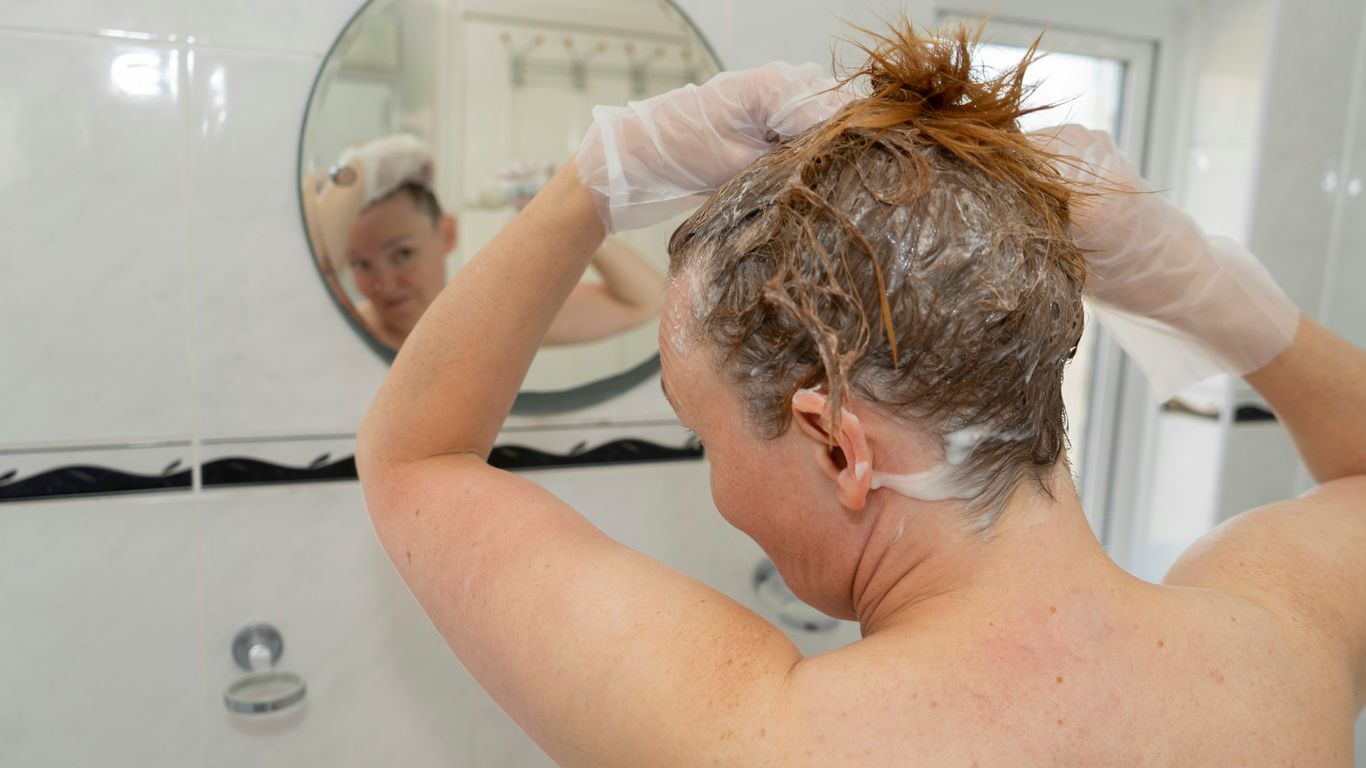
Okay, so you've got your leave-in conditioner, and you know why you're using it. Now, how do you actually put it on so it works its magic without making your hair feel like a greasy mess? It's not just about slathering it on; there's a bit of a science to it, and most people miss a few key steps. Let's break down how to get this right.
Dispensing the Correct Amount
This is where things often go wrong. Too much product, and your hair can look weighed down, oily, or just plain sticky. Too little, and you won't get the benefits you're looking for. The amount you need really depends on your hair's thickness and length.
- Fine Hair: Start with a pea-sized amount. Seriously, just a little bit. You can always add more if you feel like your hair needs it.
- Medium Hair: Think about a dime-sized amount. This is a good starting point, and you can adjust from there.
- Thick or Long Hair: You might need a bit more, maybe a quarter-sized amount. If your hair is really long and dense, you might even need two applications, focusing on different sections.
Always start with less than you think you need. You can always add more, but it's a pain to take away excess product once it's in your hair.
Strategic Product Placement
Where you put the conditioner matters. If you're just dabbing it all over the top of your head, you're probably doing it wrong. Most of the damage and dryness happens from the mid-lengths down to the ends. Your roots usually don't need much, if any, leave-in conditioner, especially if you have finer hair or tend to get oily.
- Focus on the Ends: This is the oldest and often driest part of your hair. Give it some extra love.
- Mid-Lengths: Apply here to help detangle and smooth.
- Avoid the Scalp: Unless you have a specific scalp condition or a very dry scalp and your product is formulated for it, steer clear of your roots. This helps prevent greasiness and keeps your hair from looking flat.
Think of it like applying lotion to your body – you focus on the dry spots, not your entire torso if only your elbows are flaky.
Even Distribution for Maximum Efficacy
Once you've got the right amount in your hands and you know where you want to put it, the next step is making sure it's spread out evenly. Clumps of product will lead to uneven results – some parts of your hair will be saturated, while others get nothing.
- Emulsify First: Rub the product between your palms until it feels warm and looks like a sheer lotion. This helps break it down so it's easier to spread.
- Use Your Fingers: Rake the product through your hair using your fingers, like you're combing it. Start from the ends and work your way up.
- Consider a Wide-Tooth Comb: After using your fingers, gently comb through your hair with a wide-tooth comb. This is a great way to ensure every single strand gets a little bit of that leave-in goodness. Start combing from the ends and work your way up to the roots (but remember, you're mostly applying to the lengths and ends).
Getting this right means your hair will feel consistently soft, hydrated, and manageable from root to tip, without any weird sticky spots or dry patches.
When to Apply Leave-In Conditioner
So, you've got your leave-in conditioner, and you're ready to give your hair some extra love. But when exactly should you be reaching for it? It’s not just about slathering it on whenever you remember. Timing matters, and getting it right can make a big difference in how your hair looks and feels. Let's break down the best moments to apply this hair hero.
Post-Wash Application for Damp Hair
This is probably the most common and, for many, the most effective time to use your leave-in. After you've washed and rinsed out your regular conditioner, gently towel-dry your hair until it's damp, not dripping wet. Why damp? Because damp hair is more receptive to absorbing the conditioning ingredients. Think of it like a sponge – a damp sponge soaks up water better than a bone-dry one. Applying your leave-in now helps to seal in that moisture from your shower, detangle any knots that are still hanging around, and create a protective barrier against environmental stressors and heat styling later on. It’s the perfect foundation for the rest of your hair routine.
Refreshing Dry Hair Between Washes
Your hair doesn't just need love right after washing. Throughout the week, especially if you have dry or frizzy hair, you might find it looking a bit dull or feeling rough. This is where applying a leave-in to dry hair comes in handy. You don't need a lot – just a small amount worked through the mid-lengths and ends can rehydrate your strands, tame flyaways, and add a bit of shine. It’s like a quick drink of water for your hair when it needs it most. Just be mindful of how much you use; too much on dry hair can sometimes make it look greasy or weighed down, so start small and add more if needed.
Pre-Styling Preparation
Think of your leave-in conditioner as a primer for your hair. Before you even think about blow-drying, straightening, or curling, applying a leave-in is a smart move. It preps your hair by adding a layer of protection against the heat, which can be pretty damaging. Plus, it can help make your hair more manageable, reducing the time you spend wrestling with it under heat. This means less potential damage and a smoother finish to your style. It’s all about setting your hair up for success before you put it through the wringer with styling tools.
Maximizing Benefits Through Proper Drying Methods
So, you've applied your leave-in conditioner, feeling pretty good about giving your hair some extra love. But here's where a lot of people stumble: how you dry your hair afterward can seriously impact how well that leave-in actually works. It's not just about getting your hair dry; it's about doing it in a way that keeps all those good ingredients doing their job.
The Impact of Heat Styling
Look, we all love a quick blast from the hairdryer or a run of the straightener, but heat is a double-edged sword for your hair, especially when it's just absorbed a leave-in conditioner. High heat can actually evaporate some of the moisture your leave-in is trying to lock in. Plus, it can break down some of those beneficial ingredients before they've had a chance to fully penetrate the hair shaft. If you absolutely must use heat, try to use it on a lower setting and always, always use a heat protectant spray before you start. Think of it as a shield for your hair.
Air-Drying Techniques
Air-drying is generally your best bet for letting your leave-in conditioner work its magic without interference. It's the gentlest method, allowing the product to settle in and do its thing without added stress. Here’s how to make the most of it:
- Don't touch it too much: Once you've applied your leave-in and styled your hair as you like (maybe a gentle scrunch for waves or smoothing for straight hair), resist the urge to constantly run your fingers through it. This can disrupt the cuticle and lead to frizz.
- Let it get mostly dry: While it's still quite wet, your hair is more prone to stretching and damage. Let it air dry until it's about 80-90% dry before you start manipulating it too much, if at all.
- Consider your hair type: If you have curly hair, you might want to use a diffuser attachment on your hairdryer on a cool setting for a bit to help set the curl pattern without the harshness of direct heat. For straighter hair, just letting it hang is usually fine.
Towel Drying Best Practices
If air-drying isn't an option, or you're just trying to speed things up a bit, how you use your towel matters. Regular bath towels, especially the rough terrycloth kind, can cause a lot of friction. This friction can rough up the hair cuticle, leading to frizz and breakage, which is the opposite of what your leave-in conditioner is trying to fix.
- Switch to microfiber: Microfiber towels are much softer and more absorbent. They create less friction, making them a much kinder option for your hair.
- Blot, don't rub: Instead of vigorously rubbing your hair with the towel, gently squeeze out the excess water. Think of it as pressing the water out, not scrubbing it away.
- Be gentle: Even with a microfiber towel, be careful. You're trying to remove moisture, not create damage. Work from the ends up towards the scalp if you need to remove more water.
Layering Leave-In Conditioner with Other Products
Okay, so you've got your leave-in conditioner, and you're ready to go. But what about everything else you use on your hair? It's not just about slapping products on; there's a bit of a science to it, and most people totally miss the mark. Getting the order right can make a huge difference in how your hair looks and feels.
Understanding Product Compatibility
Not all hair products play nicely together. Think of it like trying to mix oil and water – sometimes they just separate. You want to make sure the ingredients in your leave-in conditioner work with, not against, the other things you're applying. For example, if you're using a styling cream that's really heavy, and you put a super rich leave-in on top, you might end up with hair that feels weighed down and greasy. It's all about what your hair needs and what the products are designed to do.
Sequencing for Enhanced Results
So, what goes where in your routine? Generally, you want to apply products from thinnest to thickest consistency. This helps everything absorb properly.
- Leave-In Conditioner: This is usually applied first after washing to damp hair. It's your base layer for moisture and detangling.
- Styling Creams or Lotions: These often come next. They help with hold, definition, or smoothing.
- Oils or Serums: These are typically the last step. They seal in moisture, add shine, and tame flyaways. Putting them on too early can block other products from penetrating.
Avoiding Product Buildup
This is where things get tricky. If you pile on too many products, or use them in the wrong order, you can end up with buildup. This means your hair feels heavy, looks dull, and might even start to feel a bit stiff or sticky. It can also make it harder for your hair to absorb moisture and nutrients from your treatments. To avoid this:
- Be mindful of your hair's porosity: High porosity hair can handle more product, while low porosity hair can get overloaded easily.
- Read ingredient lists: Look for overlapping ingredients. If your leave-in and your styling cream both have a lot of heavy silicones, you might be doubling up unnecessarily.
- Clarify regularly: Even with the best layering, you'll need to use a clarifying shampoo every so often to remove any stubborn buildup. How often depends on your hair and what products you use, but maybe once a month is a good starting point.
Troubleshooting Common Leave-In Conditioner Issues
So, you've started using a leave-in conditioner, which is great! But maybe you're running into a few snags. It happens. Let's figure out how to fix those common leave-in conditioner problems so you can get back to enjoying happy, healthy hair.
Combating Greasiness and Weight
This is a big one for a lot of people, especially if you have finer hair. You put in the leave-in, and suddenly your hair feels heavy, oily, or just… blah. It's usually not the product itself, but how you're using it.
- Too Much Product: Seriously, a little goes a long way. Start with a pea-sized amount. You can always add more if your hair needs it, but it's tough to take it away once it's in there.
- Wrong Placement: Applying leave-in conditioner directly to your roots is a recipe for greasiness. Focus on the mid-lengths and ends of your hair, where it's typically driest and most in need of moisture.
- Product Type: Some leave-ins are richer than others. If you have fine or easily weighed-down hair, look for lightweight formulas, often labeled as 'light' or 'for fine hair'.
Addressing Dryness Despite Application
This feels counterintuitive, right? You're applying a moisturizing product, but your hair still feels dry. What's going on?
- Not Enough Product: You might be using too little, especially if your hair is very dry, damaged, or coarse. Try increasing the amount slightly, focusing on those dry ends.
- Uneven Distribution: If you're not spreading the product evenly, some sections of your hair might be getting all the love while others are left parched. Make sure you're working it through thoroughly, perhaps with a wide-tooth comb.
- Hair Porosity: Your hair's porosity plays a huge role. If your hair has low porosity, it might struggle to absorb the product. In this case, applying to slightly warmer, damp hair can help open the cuticle. High porosity hair might need a richer formula or a sealing product applied after the leave-in.
Managing Frizz and Flyaways
Frizz is often a sign of dryness or damage, and while leave-in conditioner is supposed to help, sometimes it doesn't quite cut it on its own.
- Seal the Deal: A leave-in conditioner provides moisture, but sometimes you need to lock that moisture in. Consider layering a light hair oil or a serum over your leave-in, focusing on the ends and any frizzy areas. This creates a barrier against humidity.
- Smooth Application: Ensure you're smoothing the product down the hair shaft, not just rubbing it in. This helps to flatten the cuticle, which is key to reducing frizz.
- Check Your Towel: If you're rough-drying your hair with a regular terrycloth towel, you might be creating frizz. Switch to a microfiber towel or a cotton t-shirt and gently squeeze out excess water instead of rubbing.
The Importance of Formulation and Ingredients
So, you've got your leave-in conditioner, but have you ever stopped to think about what's actually in it? It's not just a random mix of stuff; the ingredients are what make it work (or not work!) for your hair. Picking the right one can make a big difference, and honestly, most people just grab whatever's on sale.
Evaluating Sulfate-Free and Silicone-Free Options
Let's talk about what you might want to avoid. Sulfates are those strong cleaning agents you find in shampoos, and while they get things clean, they can also strip your hair of its natural oils. This can leave your hair feeling dry and brittle, which is the opposite of what you want from a leave-in. Silicones, on the other hand, can build up on your hair over time. They give that smooth, shiny feeling initially, but they can actually prevent moisture from getting into your hair shaft. Think of it like a plastic coating. So, looking for "sulfate-free" and "silicone-free" on the label is usually a good start for most hair types, especially if your hair is dry or color-treated.
The Role of Proteins and Amino Acids
Proteins, like keratin and silk protein, and their building blocks, amino acids, are like the building blocks for your hair itself. Hair is mostly protein, so adding these back in can help strengthen your strands and repair damage. If your hair feels weak, breaks easily, or has been chemically treated, a leave-in with these ingredients can be a real game-changer. They help fill in the gaps in the hair's structure, making it more resilient. It's like giving your hair a little internal support system.
Beneficial Oils and Botanical Extracts
Beyond the structural stuff, oils and plant extracts are where the magic happens for moisture and conditioning. Think about ingredients like:
- Argan Oil: Known for its moisturizing and smoothing properties.
- Coconut Oil: Can penetrate the hair shaft to provide deep hydration.
- Shea Butter: A rich emollient that softens and conditions.
- Aloe Vera: Soothing and hydrating, great for the scalp and hair.
- Chamomile Extract: Can help calm frizz and add shine.
These natural ingredients can add slip, detangle, and provide a healthy dose of moisture without weighing your hair down, depending on the specific oil and how it's formulated. It's all about finding that balance that works for you.
Frequency of Leave-In Conditioner Use
So, how often should you actually be slathering on that leave-in conditioner? It’s not a one-size-fits-all answer, and honestly, most people probably use it too much or not enough. Getting this right really depends on your hair.
Tailoring Application to Hair Type
Think about your hair’s natural tendencies. Is it fine and easily weighed down, or is it thick and prone to dryness?
- Fine Hair: You might find that applying leave-in every wash is too much. Try using it only when you feel your hair needs that extra bit of slip for detangling or a boost of moisture. Maybe every other wash, or even just a few times a week, is plenty.
- Thick or Coarse Hair: This hair type often drinks up moisture. You might benefit from using leave-in conditioner every time you wash your hair, and perhaps even a little bit on dry hair between washes if it starts feeling rough.
- Curly or Textured Hair: These hair types tend to be drier. A leave-in conditioner after every wash is usually a good bet to help with definition, moisture, and manageability. You might also find it helpful for refreshing your curls on non-wash days.
Seasonal Adjustments for Hair Needs
Your hair’s needs can change with the weather, believe it or not.
- Summer: The sun and heat can be drying. You might want to use your leave-in a bit more often, especially if you're spending a lot of time outdoors or swimming. It can help protect your hair from environmental stressors.
- Winter: Cold air and indoor heating can strip moisture from your hair, leaving it feeling brittle. This is a prime time to be consistent with your leave-in conditioner application after washing to keep it hydrated and prevent static.
Recognizing Signs of Over- or Under-Application
Your hair will tell you if you’re getting the frequency wrong. Pay attention!
- Signs of Too Much: If your hair feels greasy, looks limp or flat, or seems to get dirty faster than usual, you might be using too much leave-in or applying it too close to your roots. Try using less product or focusing it only on your mid-lengths and ends.
- Signs of Not Enough: If your hair still feels dry, tangles easily after washing, looks frizzy, or feels rough to the touch, you probably need to use your leave-in conditioner more often or perhaps use a more hydrating formula. Make sure you're applying it to damp hair so it can really soak in.
Integrating Leave-In Conditioner into Your Routine
So, you've figured out how to pick the right leave-in and apply it like a pro. Awesome. But how do you make it a regular thing without it feeling like another chore? It's all about making it fit into what you already do, or what you want to do, for your hair. Think of it less as an extra step and more as a smart upgrade to your existing hair care.
Consistency for Long-Term Hair Health
Look, your hair doesn't get healthier overnight. It's a marathon, not a sprint. Using your leave-in conditioner consistently is where you'll see the real changes. If you're washing your hair a few times a week, try to use it after each wash. If you're going longer between washes, think about using it on dry hair on those in-between days, especially if your hair feels a bit parched or frizzy. The key is regularity. It's like watering a plant; a little bit often is way better than a flood once in a blue moon. This steady stream of moisture and protection helps build up your hair's resilience over time, making it stronger and less prone to damage.
Adapting Your Routine Over Time
Your hair isn't static, right? It changes. Maybe the weather gets drier, or you decide to try a new styling tool. Your leave-in routine should be flexible too. If you notice your hair feels a bit heavy or greasy, maybe you're using too much, or perhaps it's time to try a lighter formula. On the flip side, if your hair still feels dry or tangles easily, you might need a bit more product or a different type of leave-in altogether. Pay attention to how your hair feels and looks. Don't be afraid to tweak the amount you use, where you apply it, or even how often. It’s a process of learning what works best for your hair, right now.
Observing Your Hair's Response
This is probably the most important part. You're the expert on your own hair. After you've been using your leave-in conditioner for a while, take a moment to really notice the difference. Is it easier to brush? Does it feel softer? Is it less frizzy throughout the day? Are split ends less noticeable? Maybe you're not getting as many knots. These are all good signs. If you're not seeing the results you hoped for, go back to the basics: are you using the right amount? Are you distributing it evenly? Is it the right product for your hair type and concerns? Sometimes, the simplest adjustments make the biggest impact. Keep observing, keep adjusting, and you'll find that sweet spot where your leave-in conditioner is working its magic.
Adding leave-in conditioner to your hair care steps can make a big difference. It helps keep your hair soft and manageable all day long. Think of it as a little extra boost of goodness for your locks. Want to see how it can transform your hair? Visit our website to learn more and find the perfect leave-in for you!
Putting It All Together
So, there you have it. Using leave-in conditioner isn't some complicated hair magic trick, but getting it right does make a difference. You've learned how to pick the right one for your hair type and, more importantly, how to apply it without weighing your hair down or leaving it sticky. Remember, a little goes a long way, and focusing on the mid-lengths and ends is usually the best bet. By following these steps, you're giving your hair the best chance to look and feel its best, absorbing all those good ingredients without any of the downsides. Keep experimenting a bit to find what works perfectly for you, and enjoy the smoother, more manageable hair that comes with it.