

Understanding Hair Conditioning Mechanisms
So, how does conditioner actually work its magic on your hair? It's not just about making it feel soft right after you rinse. There's some real science happening to make your hair look and feel better. Let's break down what's going on.
The Role of Emollients and Humectants
Think of emollients as the smooth operators in your conditioner. They're like little helpers that fill in the gaps on the hair's surface, making it feel smoother. This helps to reduce friction, which means less tangling and easier brushing. You know that slippery feeling when conditioner is in your hair? That's often the emollients at work. Humectants, on the other hand, are moisture magnets. They draw water from the air into your hair, helping to keep it hydrated. It's a bit like how a sponge soaks up water. This is super important, especially if your hair tends to get dry.
Cationic Surfactants in Hair Conditioners
This sounds complicated, but it's actually pretty straightforward. Your hair, when clean, often has a slightly negative charge. Cationic surfactants are molecules that have a positive charge. Because opposites attract, these positively charged molecules are drawn to your hair. When they attach, they do a few things:
- Neutralize Static: They help to calm down that annoying flyaway static electricity.
- Smooth the Cuticle: They lie flat along the hair shaft, smoothing down the outer layer (the cuticle).
- Reduce Friction: This smoothing action makes your hair feel less rough and easier to comb through.
Protein and Lipid Replenishment
Over time, especially with heat styling or chemical treatments, your hair can lose its natural proteins and lipids. These are the building blocks that keep your hair strong and healthy. Conditioners, particularly deeper treatments, can help put some of these back. Proteins act like the scaffolding for your hair, giving it structure. Lipids are like the mortar that holds everything together and keeps moisture in. When these are depleted, hair can become weak, brittle, and prone to breakage. Conditioners with these ingredients aim to patch up the damage and restore some of that lost strength.
Formulation Differences: Regular vs. Deep Conditioners
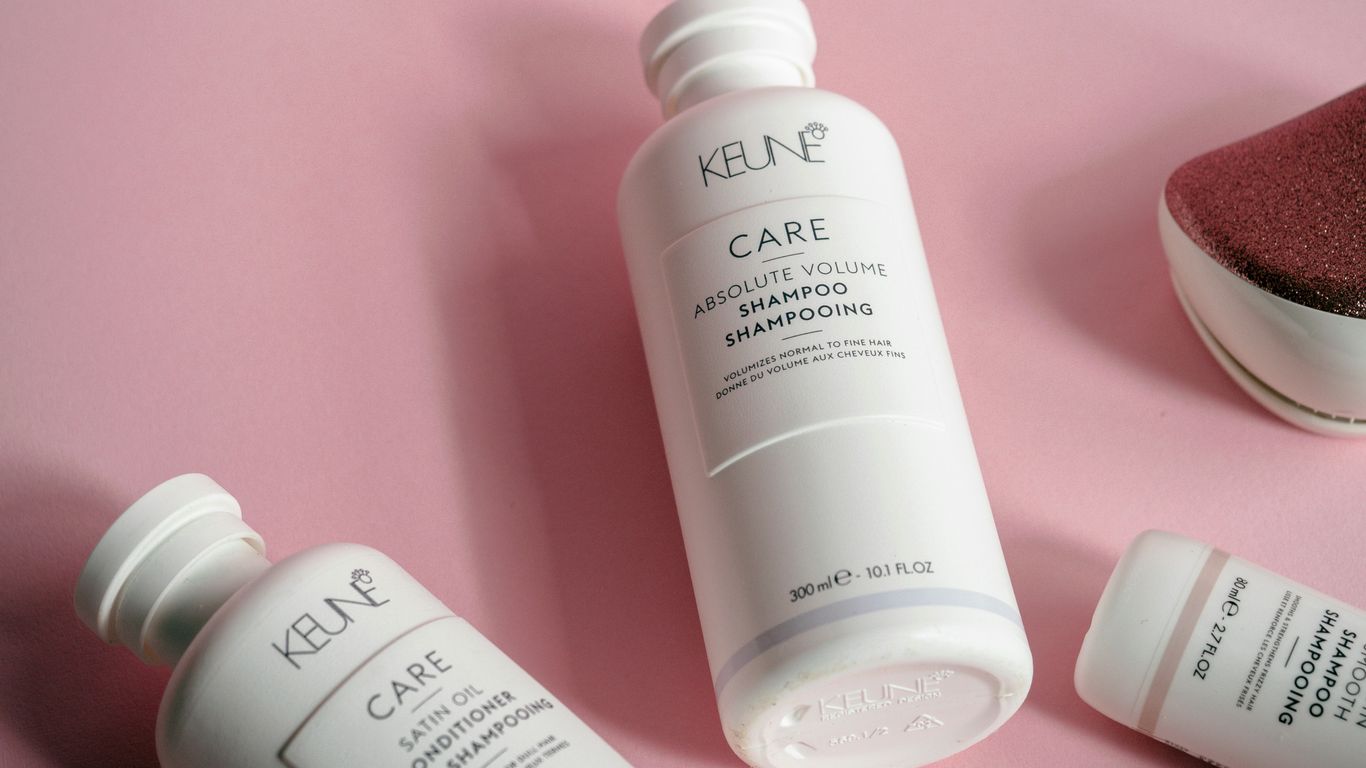
So, what really separates your everyday conditioner from that intensive deep conditioning treatment you pull out once in a while? It all comes down to what's inside and how it's put together. Think of it like the difference between a quick spritz of water on a plant versus a really good, long soak.
Concentration of Active Ingredients
Regular conditioners are designed for frequent use, so they have a lower concentration of the really potent stuff. They're meant to give your hair a little boost of smoothness and manageability without weighing it down. Deep conditioners, on the other hand, pack a much bigger punch. They have a higher percentage of conditioning agents, like oils, butters, and proteins, to really get in there and do some serious work. This higher concentration is why you don't need to use them as often – they're working harder.
Molecular Weight of Conditioning Agents
This is where things get a bit science-y, but it's important. The size of the molecules in your conditioner matters. Regular conditioners often use smaller molecules that sit more on the surface of your hair. They're great for smoothing the cuticle and detangling right after washing. Deep conditioners tend to use larger molecules, or a mix of sizes. Some of these bigger molecules are designed to penetrate the hair shaft a bit more, or they form a more substantial coating on the outside, providing longer-lasting benefits and repair.
Emulsion Stability and Texture
Ever notice how some conditioners are really light and watery, while deep conditioners feel thicker, almost creamy? That's down to the emulsion stability and the types of ingredients used. Regular conditioners often have a lighter emulsion, making them easy to spread and rinse out quickly. Deep conditioners usually have a richer, more stable emulsion. This means they can hold more of those nourishing oils and butters without separating, giving them that luxurious, thick texture that feels like it's really coating and treating your hair.
The Science Behind Regular Conditioning
Regular conditioners are your hair's everyday helpers. Think of them as the maintenance crew for your strands. They work on the surface, making your hair feel and look better right after you wash it. They're designed to be used frequently, often every time you shampoo, to keep things smooth and manageable.
Daily Surface Smoothing and Detangling
When you wash your hair, especially with shampoo, it can get a bit rough and tangled. Regular conditioners have ingredients, like certain types of silicones or fatty alcohols, that coat the outside of your hair shaft. This coating fills in any tiny rough spots on the cuticle, the outer layer of your hair. It makes the surface smoother, so strands can slide past each other more easily. This means less snagging when you brush or comb, and fewer knots forming throughout the day. It’s like putting a light polish on wood – it just makes it easier to handle.
Reducing Static and Improving Manageability
Ever notice how your hair can get flyaway and clingy, especially in dry weather? That's static electricity at play. Regular conditioners help by neutralizing the electrical charge on your hair's surface. Many conditioning agents are positively charged, and they attract to the negatively charged surface of your hair, calming down that static. This makes your hair behave better, lie flatter, and feel softer to the touch. It’s all about making your hair less of a hassle to deal with on a daily basis.
Lightweight Hydration for Everyday Use
These conditioners also provide a bit of moisture, but not too much. They use ingredients that attract water molecules from the air (humectants) and some that help seal that moisture in (emollients). The key here is 'lightweight'. They add just enough hydration to keep your hair from feeling dry or brittle without weighing it down or making it look greasy. This daily dose of hydration helps maintain your hair's natural balance, keeping it looking healthy and feeling good between washes.
The Science Behind Deep Conditioning Hair Treatments
Regular conditioner is great for day-to-day stuff, like making your hair feel smoother and easier to brush. But when your hair is really struggling, you need something more. That's where deep conditioning comes in. It's not just about coating the outside of your hair; it's about getting inside and doing some real work.
Penetrating the Hair Cuticle
Think of your hair's cuticle like tiny, overlapping scales. When your hair is healthy, these scales lie flat, making your hair look shiny and feel smooth. Damage, heat styling, and chemical treatments can lift these scales, leaving your hair rough, dry, and prone to breakage. Deep conditioners are formulated with smaller molecules and sometimes with the help of heat, which encourages these scales to open up a bit more than usual. This allows the beneficial ingredients to actually get inside the hair shaft, not just sit on the surface.
Intensive Repair of Damaged Strands
Once the conditioning agents are inside the hair shaft, they can start to repair damage from the inside out. This isn't just about making your hair look better temporarily. Ingredients like hydrolyzed proteins can fill in gaps and cracks within the hair structure, rebuilding weakened areas. Lipids, which are natural fats that keep hair healthy, can also be replenished. This helps to restore the hair's internal strength and resilience, making it less likely to break when you brush it or style it.
Long-Lasting Moisture Infusion
Deep conditioners are designed to provide a more substantial and lasting hydration than regular conditioners. They often contain richer emollients and humectants that bind to the hair's internal structure and hold onto moisture for longer periods. This means your hair doesn't just feel hydrated right after rinsing; it stays that way for days. This deep moisture helps to plump up the hair shaft, making it feel softer, look fuller, and reducing that brittle, straw-like texture that comes with severe dryness.
Key Ingredients in Deep Conditioning Formulations
So, what makes a deep conditioner actually deep? It's all about the ingredients, really. Regular conditioners are great for everyday smoothing, but when your hair needs some serious TLC, you need a formula packed with stuff that can really get in there and do some work. Think of it like this: a regular conditioner is like a quick spritz of water for a wilting plant, while a deep conditioner is like a long, thorough soak.
Rich Oils and Butters for Nourishment
These are the heavy hitters. You'll find ingredients like shea butter, cocoa butter, coconut oil, argan oil, and avocado oil. They're loaded with fatty acids and vitamins that are fantastic for softening hair and adding a protective layer. These aren't just sitting on the surface; they have a molecular structure that allows them to penetrate the hair shaft, filling in gaps and smoothing the cuticle. This makes your hair feel incredibly soft and look much shinier.
Hydrolyzed Proteins for Structural Support
When your hair is damaged, especially from heat styling or chemical treatments, the protein structure inside can break down. Hydrolyzed proteins are essentially smaller pieces of proteins (like keratin or wheat protein) that have been broken down. Because they're smaller, they can actually get into the hair shaft, not just coat it. They help to rebuild and strengthen the hair from the inside out, making it less prone to breakage and giving it back some of its natural bounce.
Advanced Humectants for Deep Hydration
Humectants are ingredients that attract and hold moisture. While regular conditioners might have some, deep conditioners often use a blend of humectants that work on different levels. You might see things like glycerin, hyaluronic acid, or panthenol. These ingredients pull moisture from the air (or the product itself) into your hair, helping to combat dryness and keep your strands hydrated for longer. It's like giving your hair a big drink of water when it's really thirsty.
Identifying Your Hair's Conditioning Needs
So, how do you know if your hair is screaming for a regular conditioner or really needs that deep conditioning treatment? It’s not always obvious, but paying attention to a few things can really help.
Assessing Dryness and Porosity Levels
First off, let's talk about dryness. Does your hair feel rough, brittle, or just generally thirsty, even after you condition it? That's a big clue. But it's not just about how dry it feels; it's also about how your hair absorbs and holds moisture, which is where porosity comes in. You can test this at home. Take a clean, dry strand of hair and drop it into a glass of water. If it floats for a while before sinking, you likely have low porosity hair, meaning the cuticle is pretty closed, and it can have trouble absorbing moisture. If it sinks right away, you probably have high porosity hair, where the cuticle is more open, and moisture escapes easily. Medium porosity hair will sink slowly. Knowing this helps you pick the right kind of conditioner.
Recognizing Signs of Damage and Breakage
Look closely at your hair. Are you seeing a lot of split ends? Does your hair feel mushy or stretchy when wet, or does it break off easily when you brush it? These are pretty clear indicators that your hair is damaged. Damage can come from heat styling, chemical treatments like coloring or perms, or even just rough handling. When your hair is damaged, it loses its natural proteins and lipids, and that's where deep conditioning really shines, helping to rebuild and strengthen.
Determining Frequency of Treatment
Once you've got a handle on your hair's condition, you can figure out how often you need to treat it. If your hair is generally healthy and just needs a little daily upkeep, a regular conditioner after every wash is probably fine. But if you've got dry, damaged, or high-porosity hair, you'll want to incorporate a deep conditioner. For very dry or damaged hair, maybe once a week is a good starting point. If your hair is just a bit parched, perhaps every two weeks. It's all about listening to your hair and seeing what works best for you. You might need to experiment a bit to find that sweet spot.
Optimal Application Techniques for Deep Conditioning Hair
So, you've got your deep conditioner, and you're ready to give your hair some serious TLC. Awesome! But how you apply it really makes a difference. It's not just about slathering it on; there's a bit of a science to getting the most out of these richer treatments.
Proper Application on Clean, Damp Hair
First things first, start with clean hair. You want to wash away any buildup from regular conditioners, styling products, or just daily life. This gives the deep conditioner a clear path to do its work. After rinsing out your shampoo, gently squeeze out the excess water. Your hair should be damp, not dripping wet. Too much water can dilute the conditioner, making it less effective. Think of it like trying to season a pan when it's still full of water – not ideal.
The Importance of Heat or Steam
This is where things get interesting. Applying heat or steam can really help open up the hair cuticle, allowing those nourishing ingredients to penetrate deeper. You've got a few options here:
- Shower Cap Method: After applying the conditioner, pop on a shower cap. The natural heat from your scalp will create a mini-sauna effect. For an extra boost, you can wrap a warm towel over the shower cap.
- Steamer: If you have a hair steamer, this is a fantastic way to get professional-level results at home. The moist heat is super effective.
- Warm Towel: Similar to the shower cap method, a warm, damp towel wrapped around your head can also help.
Leave the conditioner on for the time recommended on the product, usually 15-30 minutes. Don't rush this part; it's the intensive treatment phase!
Adequate Rinsing and Post-Treatment Care
Once your treatment time is up, it's time to rinse. Use cool or lukewarm water. Rinsing with cooler water helps to seal the hair cuticle back down, locking in all that goodness you just applied. Make sure you rinse thoroughly to avoid any heavy, greasy feeling. You don't want leftover product weighing your hair down. After rinsing, you can follow up with a lightweight regular conditioner if you like, especially on your ends, to further smooth the cuticle. Then, style your hair as usual. You should notice a difference right away – softer, more manageable hair that feels truly revitalized.
Benefits of Regular Conditioning for Hair Health
So, you're probably using conditioner after every wash, right? It's a pretty standard part of most people's hair care routine, and for good reason. Regular conditioning isn't just about making your hair smell nice or feel a bit softer for a few hours. It's actually doing some important work to keep your hair looking and feeling its best on a daily basis. Think of it as the maintenance crew for your hair, keeping things running smoothly.
Enhanced Shine and Softness
One of the most noticeable things regular conditioner does is give your hair that healthy shine and a smoother feel. When you wash your hair, especially with certain shampoos, it can lift the cuticle, the outer layer of your hair strand. Conditioner helps to smooth that cuticle back down. This makes the surface of your hair more even, which means it reflects light better, giving you that desirable shine. Plus, that smoother surface feels much softer to the touch, making your hair more pleasant to run your fingers through.
Improved Combability and Reduced Frizz
Ever feel like your hair is a tangled mess right after washing? Regular conditioner is a lifesaver here. The ingredients in conditioner, particularly the positively charged ones (cationic surfactants), are attracted to the slightly negatively charged surface of your hair. They coat the strands, reducing friction between them. This makes it way easier to comb through your hair without snagging or pulling, which can cause breakage. By smoothing the cuticle and reducing friction, it also helps to keep those flyaways and frizz under control, giving you a neater look.
Protection Against Environmental Stressors
Your hair is constantly exposed to the elements, and not in a good way. Things like pollution, dry air, and even UV rays can take a toll, making your hair look dull and feel rough. Regular conditioner creates a bit of a protective barrier around each hair strand. This coating can help shield your hair from some of the damage caused by these environmental factors. It's not a force field, of course, but it adds a layer of defense that helps maintain your hair's health and appearance over time, preventing it from getting too dry or brittle from daily exposure.
Transformative Benefits of Deep Conditioning Hair Masks
So, you've been thinking about trying a deep conditioner, huh? Regular conditioners are great for everyday stuff, like keeping your hair smooth and easy to comb. But when your hair is really feeling the struggle – maybe it's dry, brittle, or just looks a bit sad – that's when a deep conditioning mask steps in. It's like a spa treatment for your hair, going way beyond what your usual conditioner can do.
Restoration of Elasticity and Strength
Ever feel like your hair just snaps when you try to stretch it? That's a sign it's lost its elasticity, and deep conditioners can help bring that back. They work by getting ingredients deeper into the hair shaft, not just sitting on the surface. Think of it like this: regular conditioner is like putting a nice coat of paint on a wall, while a deep conditioner is like reinforcing the plaster underneath. This means your hair can bend and stretch without breaking so easily. You'll notice your hair feels more resilient, less prone to snapping when you brush or style it. It's about rebuilding that internal structure so your hair can handle daily life better.
Significant Reduction in Split Ends
Split ends are basically the frayed edges of your hair, and once they happen, there's no real way to 'un-split' them. You usually have to cut them off. However, deep conditioning can help prevent them from getting worse and make existing ones less noticeable. The rich ingredients in these masks smooth down the hair cuticle, the outer layer of your hair. When the cuticle is smooth and sealed, it's much harder for the hair shaft to split. Plus, by strengthening the hair from within, it becomes less likely to break and form new split ends in the first place. It’s a proactive approach to keeping your ends looking healthier for longer.
Revitalization of Dull and Lifeless Hair
If your hair has lost its shine and feels limp, a deep conditioning mask can be a game-changer. These treatments are packed with nourishing ingredients like oils, butters, and proteins that really feed your hair. They help to replenish moisture that's been lost, which is a major reason hair looks dull. When hair is properly hydrated and has its structure supported, it reflects light better, giving you that healthy shine back. You'll find your hair feels softer, looks brighter, and has more life to it. It's like waking up tired hair and giving it a much-needed boost of energy.
When to Choose Deep Conditioning Over Regular
So, you're wondering when it's time to step up your conditioning game from your usual routine to something more intensive. Think of it like this: your regular conditioner is your daily multivitamin for your hair, keeping things generally healthy and manageable. But sometimes, your hair needs a more targeted treatment, like a special supplement or a visit to a specialist. That's where deep conditioning comes in.
Addressing Severe Dryness and Brittleness
If your hair feels like straw, snaps easily, or just won't hold moisture no matter what you do, your regular conditioner probably isn't cutting it. Deep conditioners are formulated with higher concentrations of nourishing ingredients like rich oils, butters, and hydrolyzed proteins. These work to:
- Penetrate the hair shaft: Unlike regular conditioners that mostly coat the surface, deep treatments have smaller molecules or ingredients that can get inside the hair cuticle.
- Replenish lost lipids: Over time, especially with heat styling or chemical treatments, your hair loses its natural fats. Deep conditioners help put those back, making hair feel more supple.
- Provide lasting hydration: They create a more substantial barrier, helping to lock in moisture for longer periods, which is exactly what parched hair craves.
Post-Chemical Treatment Recovery
Bleaching, coloring, perms, or relaxers can really mess with your hair's structure. These processes strip away moisture and can damage the protein bonds that keep your hair strong. After you've had a chemical service, your hair is often left feeling weak, porous, and prone to breakage. Deep conditioning is your hair's recovery plan. It helps to:
- Rebuild compromised strands: Ingredients like hydrolyzed proteins can temporarily fill in gaps in the hair's structure, making it feel stronger.
- Soothe and calm irritation: Chemical treatments can sometimes leave your scalp feeling a bit sensitive, and the nourishing ingredients in deep conditioners can help calm things down.
- Restore flexibility: Damaged hair loses its natural elasticity. Deep treatments help bring that back, so your hair can bend without breaking.
Seasonal Hair Support
Believe it or not, the weather can have a big impact on your hair's health. When the seasons change, your hair might need a little extra help.
- Winter: Cold, dry air and indoor heating can zap moisture from your hair, leaving it brittle and prone to static. A deep conditioning treatment can help combat this dryness and add much-needed hydration.
- Summer: Sun exposure, chlorine from pools, and saltwater can all dry out and damage your hair. After a summer of fun, a deep conditioning mask can help repair the damage and restore softness.
Basically, if your hair is telling you it needs more than just a quick fix – if it's feeling rough, breaking easily, or just looks dull and lifeless – it's probably time to reach for that deep conditioning treatment.
Is your hair feeling extra thirsty? Sometimes, a regular conditioner just won't cut it. When your hair needs a serious drink of moisture, deep conditioning is the way to go. It's like a spa day for your strands, giving them the extra love and hydration they crave. Ready to give your hair the ultimate treat? Visit our website to explore our range of deep conditioning masks and find the perfect match for your hair's needs!
So, Which Conditioner is Right for You?
Alright, so you've learned about the differences between regular conditioning and deep conditioning. Think of it this way: regular conditioner is like your daily moisturizer for your hair, keeping things smooth and manageable day-to-day. Deep conditioning, on the other hand, is more like a treatment, something you do when your hair really needs a boost – maybe it's feeling dry, brittle, or just not its best. For most people, using a regular conditioner after every wash is probably enough. But if you're dealing with hair that's seen better days, or you just want to give it some extra TLC, a deep conditioner once a week or so can make a noticeable difference. It really comes down to what your hair is telling you it needs. Listen to your strands, and pick the conditioning method that helps them look and feel their healthiest. Remember, consistency is key, but so is knowing when to step up your game with a more intensive treatment.
Medical Disclaimer: The information provided in this article is for general informational purposes only and does not constitute medical advice. Always consult with a qualified healthcare professional or dermatologist for any health concerns or before making any decisions related to your health or treatment.