

Understanding Caffeine's Role In Hair Follicle Health
You might be surprised to learn that caffeine isn't just for your morning coffee. It actually plays a pretty interesting role when it comes to keeping your hair follicles healthy and happy. Let's break down how this common substance works its magic.
Caffeine's Molecular Structure And Its Interaction With Hair Follicles
Caffeine, chemically known as 1,3,7-trimethylxanthine, is a small molecule. This size is actually a good thing because it means caffeine can get into places it needs to be, like the tiny hair follicles on your scalp. When applied topically, it can penetrate the skin and reach the root of your hair. Think of it like a small key that can fit into the lock of your hair follicle. Once inside, it starts interacting with the cells there, influencing their behavior in ways that can be beneficial for hair growth.
The Science Behind Caffeine's Stimulatory Effects On Scalp Circulation
Ever notice how a cup of coffee can make you feel more alert? Caffeine has a similar stimulatory effect on your scalp. It works by blocking a chemical called adenosine, which normally tells your blood vessels to relax and widen. When caffeine blocks adenosine, your blood vessels constrict a bit, and then your body compensates by increasing blood flow to the area. More blood flow to your scalp means more oxygen and nutrients are delivered to your hair follicles. This improved circulation is like giving your hair roots a much-needed boost, helping them to function better and support healthy hair growth.
How Caffeine May Counteract The Effects Of DHT On Hair Follicles
One of the main culprits behind hair thinning, especially in men, is a hormone called dihydrotestosterone, or DHT. DHT can attach itself to receptors in your hair follicles, causing them to shrink over time. This shrinking process, called miniaturization, leads to shorter, finer hairs and eventually stops hair growth altogether. Research suggests that caffeine might be able to interfere with DHT's negative effects. It appears to inhibit the production of an enzyme that converts testosterone into DHT, and it might also directly counteract DHT's binding to follicle cells. So, in essence, caffeine could be helping to protect your hair follicles from this damaging hormone.
The Scientific Basis For Caffeine For Hair Growth
So, you're curious about whether caffeine really does anything for your hair. It's not just some marketing gimmick; there's actual science behind it. Let's break down what researchers have found.
Evidence From In Vitro Studies On Hair Follicle Cells
When scientists want to test something like caffeine on hair follicles, they often start in the lab. This means they take hair follicle cells and expose them to caffeine in a controlled environment, like a petri dish. What they've seen is pretty interesting. Caffeine seems to give these cells a little kickstart. It can help them grow faster and even seem to make them more active. Think of it like giving the cells a shot of energy. This early research is important because it shows that caffeine has a direct effect on the cells responsible for growing your hair, even before we look at how it works on a whole scalp.
Clinical Trials Demonstrating Caffeine's Efficacy
Lab studies are one thing, but what happens when you test caffeine on actual people? That's where clinical trials come in. Researchers have conducted studies where people with hair thinning used products containing caffeine, and others used a placebo (something that looks the same but doesn't have caffeine). The results have been pretty encouraging. Many of these trials show that people using caffeine treatments experienced less hair loss and, in some cases, saw an increase in hair growth compared to those using the placebo. These studies help confirm that what happens in the lab can translate to real-world benefits for your hair.
Mechanisms By Which Caffeine Promotes Hair Growth
How exactly does caffeine do its thing? It's not just one single action. It seems to work in a few different ways:
- Boosting Blood Flow: Caffeine is known to get blood moving. When you apply it to your scalp, it can help increase circulation. Better blood flow means more nutrients and oxygen get to your hair follicles, which they need to grow strong.
- Fighting Off Hormonal Blockers: There's a hormone called DHT (dihydrotestosterone) that can shrink hair follicles, leading to thinning hair. Studies suggest caffeine can actually block the effects of DHT on these follicles, helping to keep them healthy and productive.
- Extending the Growth Cycle: Your hair goes through cycles of growing, resting, and shedding. Caffeine appears to help prolong the active growing phase (called the anagen phase) and shorten the resting phase. This means your hair has more time to grow longer and thicker before it naturally falls out.
How Caffeine Stimulates Hair Follicle Activity
So, how exactly does caffeine get your hair follicles working overtime? It's not just about a morning jolt for you; it's about waking up those tiny engines on your scalp. Caffeine seems to do a few key things that really make a difference.
Enhancing Blood Flow To The Scalp
Think of your hair follicles like little plants. They need good soil and plenty of water to grow strong. In this case, the 'water' is blood flow. Caffeine is known to help widen your blood vessels, a process called vasodilation. When the blood vessels in your scalp relax and open up, more blood can get to your hair follicles. This means more oxygen and nutrients are delivered right where they're needed. It's like giving your scalp a really good drink, helping to create a better environment for hair growth.
Extending The Anagen (Growth) Phase Of Hair
Our hair goes through cycles, and the longest part of that cycle is the growth phase, called anagen. If this phase is cut short, your hair won't get as long as it could. Some research suggests that caffeine can actually help prolong this anagen phase. It does this by blocking a substance called DHT (dihydrotestosterone) from affecting the hair follicle. DHT is a hormone that can shrink follicles and shorten the growth cycle, especially in people prone to genetic hair thinning. By keeping DHT at bay, caffeine might help your hair stay in the growth phase for longer, leading to longer, fuller-looking hair.
Strengthening Hair Follicles From Within
Caffeine doesn't just help with blood flow and growth cycles; it also seems to give the follicles themselves a bit of a boost. It can help protect the cells within the follicle from damage. This protection can make the follicles more resilient. When your follicles are stronger, they're better equipped to produce healthy, robust hair strands. It's like building a stronger foundation for your hair, making it less likely to break or fall out prematurely.
Incorporating Caffeine Into Your Hair Care Routine
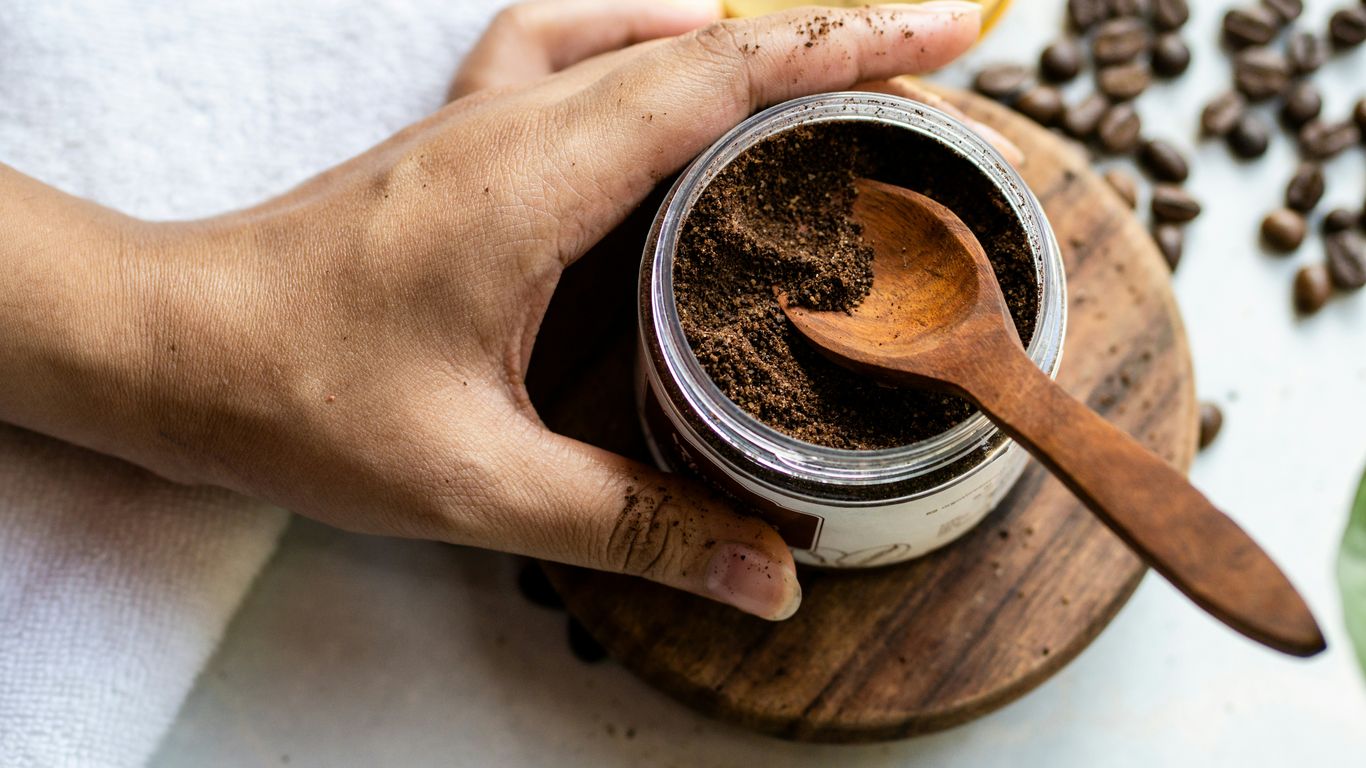
So, you're ready to give caffeine a shot for your hair? That's great! It's not as complicated as it might sound. The trick is to pick the right stuff and use it consistently. Think of it like adding a new vitamin to your diet – you won't see results overnight, but stick with it, and you might be surprised.
Choosing the Right Caffeine-Infused Hair Products
When you're looking for products, you'll see a bunch of options. It can get a little overwhelming, honestly. You've got shampoos, conditioners, leave-in treatments, and even serums. What's the deal?
- Shampoos and Conditioners: These are your everyday basics. They're good for getting caffeine onto your scalp regularly, but they don't stay on for very long. So, while they help, they might not be the most powerful option on their own.
- Leave-In Treatments and Serums: These are often more concentrated. You apply them after washing and don't rinse them out. This means the caffeine has more time to work its magic on your hair follicles. If you're serious about seeing results, these are usually a good bet.
- Scalp Tonics: Similar to serums, these are designed for direct scalp application and are meant to be left on. They often have a lighter feel than some serums.
Look at the ingredient list. Caffeine should be pretty high up there, meaning there's a decent amount in the product. Don't just go for anything that says "caffeinated" on the front. Check the actual ingredients.
Frequency and Application Techniques For Optimal Results
How often should you use these things? And how do you actually apply them?
- Shampoo/Conditioner: Use these as you normally would, daily or every other day, depending on your hair type and washing habits.
- Leave-In Treatments/Serums/Tonics: This is where consistency really matters. Most brands recommend using these daily. When you apply, focus on your scalp. Gently massage the product in with your fingertips. This helps with absorption and also gives your scalp a nice little circulation boost, which is a win-win.
- Don't Overdo It: While caffeine is generally safe for topical use, using too much of any product can sometimes weigh your hair down or irritate your scalp. Follow the product's instructions.
Understanding Product Formulations For Scalp Penetration
This is where things get a bit more technical, but it's important. Not all caffeine products are created equal. The way a product is made can affect how well the caffeine actually gets to your hair follicles.
- Solubility: Caffeine is water-soluble. This means products with a good water base can help deliver it effectively. However, some formulations use other ingredients to help it penetrate the skin barrier better.
- Delivery Systems: Some advanced products might use special technologies, like liposomes or nanoparticles, to help the caffeine get deeper into the scalp and reach the follicles more directly. You might not always see this explained in simple terms on the packaging, but it's something to keep in mind if you're looking at higher-end treatments.
- pH Balance: The pH of a product can also play a role in how well ingredients are absorbed. A product that's formulated with a scalp-friendly pH is generally better for both absorption and overall scalp health.
Basically, you want a product that's designed not just to contain caffeine, but to make sure that caffeine actually gets where it needs to go to do its job. Reading reviews or looking for brands that talk about their formulation science can be helpful here.
Caffeine For Hair Growth: Key Ingredients To Look For
So, you're looking into caffeine shampoos and treatments for your hair. That's smart. But not all caffeine products are created equal, you know? It's not just about slapping caffeine in there and calling it a day. You've got to look at what else is in the bottle. Some ingredients can really team up with caffeine to give your hair follicles a better boost. Others? Well, they might just be there to make the product smell nice or feel good on your scalp, but don't do much for actual growth.
Synergistic Ingredients That Enhance Caffeine's Effects
When you're picking out a caffeine hair product, keep an eye out for these guys. They're known to work well with caffeine, making the whole process more effective:
- Biotin: This is a B vitamin that's super popular for hair health. It helps your body make keratin, which is what hair is made of. When biotin is paired with caffeine, it can help strengthen hair and maybe even speed up growth.
- Niacin (Vitamin B3): Niacin is great for circulation. Since caffeine already helps with blood flow to your scalp, niacin can give it an extra push. Better blood flow means more nutrients and oxygen getting to your hair follicles, which is exactly what they need to grow.
- Panthenol (Pro-Vitamin B5): This one is a humectant, meaning it draws moisture into your hair. It also helps to thicken hair strands and make them more flexible. So, while caffeine is working on the follicle, panthenol is helping to improve the hair you already have, making it look and feel healthier.
- Rosemary Oil: This natural oil has been used for ages to help with hair growth. Studies suggest it can improve circulation and has anti-inflammatory properties. It's a natural partner for caffeine, both aiming to get more blood to your scalp.
The Importance Of Formulation In Caffeine Hair Treatments
It's not just what ingredients are in the product, but how they're put together. A good formulation means the caffeine and other active ingredients can actually get to where they need to go – your hair follicles. Think about it: if the product just sits on top of your hair or washes away too quickly, it's not going to do much good.
- Penetration: The best products are designed so the caffeine can get through the scalp's outer layer and reach the follicles. This often involves specific carriers or delivery systems within the formula.
- pH Balance: The pH of a product matters. If it's too alkaline or too acidic, it can mess with your scalp's natural balance and even damage your hair shaft. A well-formulated product will have a pH that's good for your scalp and hair.
- Stability: Ingredients need to stay active in the bottle. Some formulations are better at keeping caffeine and other beneficial ingredients stable, so they're still working when you apply them.
Identifying Products With Clinically Proven Concentrations
This is where you really need to do a little digging. Many products will say they have caffeine, but they don't tell you how much. For caffeine to actually have a noticeable effect on hair growth, it needs to be present in a certain concentration. Unfortunately, this information isn't always easy to find on the label.
- Look for Specific Percentages: Some brands are transparent and will list the percentage of caffeine. Generally, concentrations between 0.001% and 0.005% are considered effective for hair growth stimulation, though some studies have used higher concentrations.
- Check for Research Backing: Does the brand mention any studies they've done or that support their specific formulation? While not always available, this can be a good sign.
- Read Reviews Critically: See what other users say. Are they noticing actual hair growth, or just softer hair? Sometimes, user feedback can give you clues about a product's real-world effectiveness, even if the exact concentration isn't listed.
Basically, don't just grab the first caffeine shampoo you see. Be a bit of a detective. Check the ingredient list, think about how the product might work, and try to find brands that seem to know what they're doing when it comes to hair science.
Potential Benefits Beyond Hair Growth Stimulation
So, caffeine isn't just about getting more hair to sprout, you know? It actually does some other pretty neat things for your hair and scalp too. It’s like a little multi-tasker for your mane.
Improving Hair Shaft Strength and Resilience
Think about your hair strands. Caffeine can actually help make them tougher. It gets into the hair shaft and seems to make it more resistant to breaking. So, less snapping when you brush or style. It’s not just about growing more hair, but making the hair you have stronger and less prone to damage. This means your hair can look fuller and healthier because it's not breaking off as easily.
Contributing To Healthier Scalp Conditions
Your scalp is the foundation for healthy hair, right? Well, caffeine can help there too. By improving blood flow, it brings more good stuff to your scalp cells. This can help keep your scalp in a better state overall. A happy scalp means a better environment for your hair to grow. It’s not just about the follicles, but the whole area.
Enhancing Overall Hair Appearance and Texture
When your hair is stronger and your scalp is healthier, guess what? Your hair just looks and feels better. You might notice it’s less frizzy, has a bit more shine, and feels smoother to the touch. It’s not magic, but it’s the result of better hair health from root to tip. So, you get that thicker look not just from new growth, but from existing hair being in better condition.
Addressing Common Concerns About Caffeine Hair Treatments
So, you're thinking about trying out caffeine for your hair, but maybe you've got a few questions buzzing around your head. That's totally normal! Let's clear up some of the common worries people have about using caffeine on their scalp.
Safety Profile Of Topical Caffeine Application
First off, is it safe? When you're talking about caffeine in hair products, we're usually looking at topical application – meaning it goes on your scalp, not into your system like your morning coffee. The good news is that studies generally show topical caffeine is well-tolerated. It's designed to work directly on the hair follicles. Unlike drinking a ton of coffee, which can make you jittery, applying it to your scalp doesn't typically lead to those systemic effects. Think of it as a targeted treatment. Of course, like anything new you put on your skin, it's always a good idea to do a patch test first, especially if you have a sensitive scalp. Just apply a little bit to a small area and wait 24 hours to see if there's any reaction.
Potential Side Effects And How To Manage Them
While generally safe, some people might experience mild irritation, redness, or a bit of dryness when they first start using caffeine-based hair products. This can happen with many active ingredients. If you notice any of these, here's what you can do:
- Reduce Frequency: Instead of using the product every day, try every other day or even twice a week to let your scalp adjust.
- Check the Formula: Make sure the product isn't loaded with other ingredients that might also be irritating. Sometimes it's not just the caffeine.
- Rinse Thoroughly: Make sure you're washing out the product completely, especially if it's a leave-in treatment. Leftover residue can sometimes cause issues.
- Hydrate Your Scalp: If dryness is the problem, consider using a gentle, hydrating shampoo or a scalp serum designed for moisture.
Most of the time, these minor issues resolve on their own as your scalp gets used to the treatment, or with a few simple adjustments.
Understanding The Difference Between Topical And Ingested Caffeine
This is a big one. The caffeine you drink in coffee or energy drinks enters your bloodstream and affects your whole body. It can impact your heart rate, energy levels, and even sleep. Topical caffeine, on the other hand, is meant to stay localized on your scalp. The amount absorbed into your system is usually very small, if any. The goal is for it to interact directly with the hair follicles to stimulate them. So, while you might feel a boost from your morning latte, the caffeine in your shampoo or serum is working on a different level – directly on your hair's growth cycle, not on your overall alertness. It's like comparing a targeted treatment to a system-wide effect; they just work differently.
Maximizing The Benefits Of Caffeine For Hair Growth
So, you've decided to give caffeine hair treatments a shot. That's great! But just using the product isn't always enough. To really see the best results, you need to be smart about how you use it. It's not a magic bullet, but with the right approach, you can definitely give your hair the best chance to grow stronger and healthier. Let's break down how to get the most out of your caffeine-infused hair care.
Consistency Is Key: Long-Term Application Strategies
Think of it like watering a plant. You can't just water it once and expect it to thrive forever. Hair growth is a process, and caffeine works best when it's consistently available to your hair follicles. This means sticking to a regular schedule, even when you don't see immediate changes.
- Daily or Every Other Day: Most caffeine shampoos and conditioners are designed for regular use. Check the product label, but often, using them every time you wash your hair is the way to go. This keeps the caffeine levels in your scalp consistent.
- Leave-In Treatments: If you're using a leave-in serum or tonic, apply it as directed. This might be daily or a few times a week. The goal is to keep that active ingredient working on your scalp.
- Don't Skip Wash Days: Even if you're not washing your hair daily, try to apply your leave-in treatment on those off days. Your follicles need that ongoing stimulation.
Combining Caffeine Treatments With A Healthy Lifestyle
Caffeine treatments are a powerful tool, but they work best when they're part of a bigger picture. Your overall health plays a huge role in how well your hair grows.
- Nutrition Matters: Make sure you're eating a balanced diet. Hair needs vitamins and minerals like biotin, iron, zinc, and protein to grow strong. If your diet is lacking, even the best caffeine treatment might not be enough.
- Stress Management: High stress levels can actually contribute to hair thinning. Finding ways to relax, whether it's through exercise, meditation, or hobbies, can make a difference.
- Scalp Health: Keep your scalp clean and free from buildup. This allows the caffeine and other beneficial ingredients to reach the follicles properly. Gentle scalp massages can also help improve circulation.
Patience And Realistic Expectations For Hair Regrowth
This is probably the hardest part. Hair growth takes time. You're not going to see thicker hair overnight, or even in a week. Caffeine helps by stimulating follicles and potentially extending the growth phase, but it's a biological process that can't be rushed.
- Give It Time: Most studies show noticeable results after several months of consistent use, often three to six months. So, stick with it!
- Track Your Progress: Take photos of your hair and scalp at the beginning and then every month or so. Sometimes, the changes are subtle, and seeing visual proof can be really motivating.
- Understand What's Possible: Caffeine can help with thinning and promote healthier growth, but it's not a cure for all types of hair loss. It's most effective for genetic thinning or temporary shedding. If you have a medical condition causing hair loss, it's always best to consult with a doctor.
Want to know how to get the most out of caffeine for your hair? It's not just for your morning coffee! We've got the inside scoop on how this common ingredient can actually help your hair grow stronger and healthier. Ready to unlock fuller, thicker hair? Visit our website to learn all the secrets and discover products that can help you achieve your hair goals!
Wrapping Up Your Caffeine Hair Journey
So, you've learned about how caffeine can actually help your hair grow. It seems pretty straightforward: caffeine gets to your hair follicles and gives them a little boost, potentially making your hair grow longer and stronger. It’s not some magic potion, but the science behind it is interesting. If you’re looking to try it out, remember to look for products that list caffeine as an ingredient, like the Cherie Strands Scalp Serum. Using these products regularly, as directed, is key. Of course, everyone's hair is different, so what works wonders for one person might be just okay for another. It’s always a good idea to chat with your doctor or a dermatologist before starting any new hair care routine, especially if you have concerns about hair loss. They can help figure out the best approach for you. This information isn't meant to replace professional medical advice. Always consult with a healthcare provider for any health questions or concerns.